Sorting through CBD flower options can be overwhelming. Product descriptions often sound the same, strains get mixed up, and bold claims will often leave you feeling unsure of what is really important. Instead of clarity, you result in having questions around quality, freshness, and value. That uncertainty often results in hesitation, second-guessing, or purchases that do not meet expectations.
What actually helps is learning how to evaluate CBD flower based on tangible, observable factors rather than on marketing language. When you know what you are looking for, it makes decision-making easier and much more confident.
This article deconstructs how to evaluate CBD flower in an objective way, with a focus on quality indicators that are relevant in the real world, without hype or misleading promises.
1. Look Beyond Strain Names And Focus On Flower Quality
Strain names certainly tend to attract attention first, but they don’t tell the whole story. While some names are indicative of the lineage or the flavor tendencies, the quality depends much more on how the flower is grown, harvested, and handled.
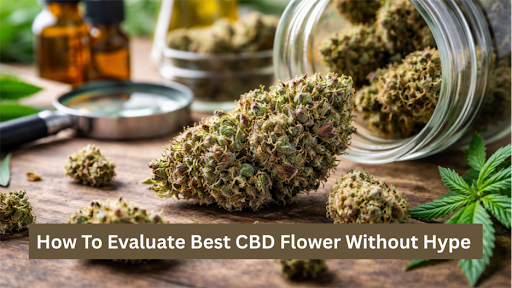
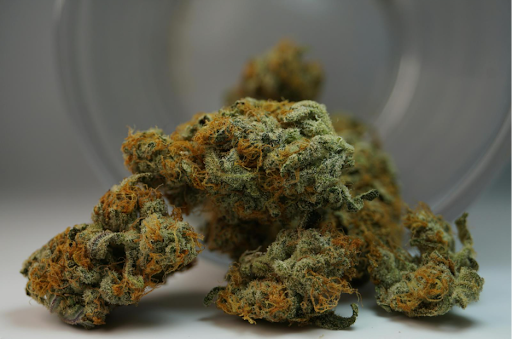
When it comes to assessing the best CBD Flower, begin by analyzing the flower itself. Well-grown CBD flower normally has dense and intact buds with visible trichomes, which give it a frosted appearance. These trichomes are an indication that the plant is carefully cultivated and mature at harvest. On the other hand, airy, brittle, or overly dry buds may indicate rushed processing or bad storage.
Color also matters. Healthy CBD flower often displays vivid green shades with natural variations such as light orange pistils or purple shades, depending on the genetics. Excessive browning or dull coloration may signify age or improper curing. By placing importance on physical quality over branding, you instantly eliminate products that are driven by hype, not substance.
2. Pay Attention To Aroma As Freshness Indicator
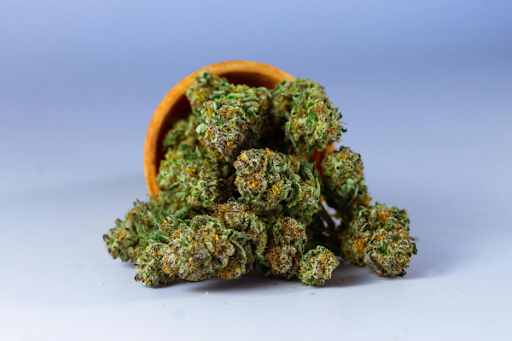
Aroma gives valuable information about the quality of CBD flower. Natural terpenes are responsible for scent, and often the presence of these would reflect freshness and careful handling.
When you open a container, the aroma should be noticeable but not overpowering. Earthy, floral, citrus, or herbal notes are common, depending on the strain profile. If the scent is covered up and appears to be muted, grassy, or musty, the flower may be old or improperly cured.
On the flip side, an unusually strong or artificial smell can indicate added terpenes rather than naturally preserved ones. Balanced aroma indicates that the flower was dried at a slow rate and stored correctly so that the terpene profile of the flower was not damaged. Aroma is one of the easiest ways of assessing quality, without referencing lab jargon or marketing terms.
3. Understand CBD And THC Ratios Without Overthinking Numbers
Many buyers pay a lot of attention to the percentage numbers and assume that the higher the CBD, the better the quality. In reality, balance is more important than extremes.
CBD flower typically has high CBD with minimal THC. However, small differences in the cannabinoid ratios can affect how the flower feels when used. A moderate CBD percentage combined with a vast amount of cannabinoids can be more balanced than an extra high CBD number accompanied by little cannabinoid complexity.
Instead of looking for the highest percentage, look for consistency. Reliable CBD flower has a stable cannabinoid level that matches CBD expectations for the hemp-derived products. This consistency in many cases is due to improved genetics, as well as overt cultivation practices. Understanding ratios as context rather than ranking criteria helps you avoid inflated expectations based on numbers alone.
4. Evaluate Cultivation Methods And Sourcing Transparency
How CBD flower is grown directly influences the quality of the CBD flower. Cultivation methods affect everything from terpene preservation to overall cleanliness.
Outdoor-grown flowers often reflect the natural environmental conditions and environmental factors associated with seasonal variation, whereas indoor-grown flowers offer greater control over light, humidity, and temperature. Greenhouse cultivation lies between the two, providing balance. None of these methods are inherently better, but transparency is important.
Look for clear information about where and how the flower was grown. Responsible sourcing may contain information related to farming practices and environmental conditions. When information about cultivation is vague or absent, it can be harder to trust the consistency of a product. Transparency signals accountability, which is an important indicator of quality-focused production.
5. Inspect Trim Quality And Handling Care
Trim quality is often overlooked, yet it reveals how much care went into preparing the flower. Well-trimmed buds are neat, with minimal excess leaf material. This not only improves appearance but also helps preserve flavor and aroma.
Rough trimming, excessive stems, or crushed buds may suggest rushed processing or bulk handling. CBD flower that has been handled gently tends to retain its structure and trichome coverage. This level of care often aligns with better storage practices as well.
Proper curing also plays a role. Flowers that have been cured slowly develop smoother aroma profiles and consistent moisture levels. When trimming and curing are done correctly, the result is a flower that feels balanced rather than harsh or flat.
6. Separate Realistic Expectations From Overstated Claims

One of the biggest challenges in evaluating CBD flower is navigating exaggerated claims. Descriptions that promise dramatic effects or instant outcomes often rely more on marketing than reality.
A practical approach is to focus on experience rather than promises. CBD flower can offer subtle effects that may support relaxation or calm, depending on individual response. Results can vary based on strain, usage method, and personal sensitivity. Recognizing this variability helps set realistic expectations.
Conclusion
Evaluating CBD flower does not require expert-level knowledge or complicated analysis. It simply requires attention to physical quality, aroma, sourcing transparency, and honest expectations.
By shifting focus away from hype and toward observable factors, you gain clarity and confidence in your choices.