Healthcare today looks much different than it did just a few short decades ago with medical providers placing an increasing emphasis on treatments that both minimize pain and optimize recovery. One of the advancements that is most important is the growth of minimally invasive procedures, which provide effective and oftentimes more effective options for treating many medical conditions compared with traditional surgical approaches. These new-age healthcare practices significantly reduce physical traumas, utilizing better techniques for faster recovery periods along with improvement in quality of care.
As more patients want to keep their daily lives intact, while still getting the care they need, the demand for non-surgical healthcare solutions keeps climbing higher. So, with much improved technology and devices available to us specifically better imaging systems and minimally invasive procedures have become widely used techniques reflecting almost the latest advancements in surgical manoeuvring. Those treatments are now used across a range of specialties, including vascular medicine, orthopedics, cardiology, gastroenterology and in cosmetic medicine.
With health care ecosystems evolving, access to minimally invasive care will be a key component of not only enhancing satisfaction but long-term health impact.
Understanding Minimally Invasive Healthcare
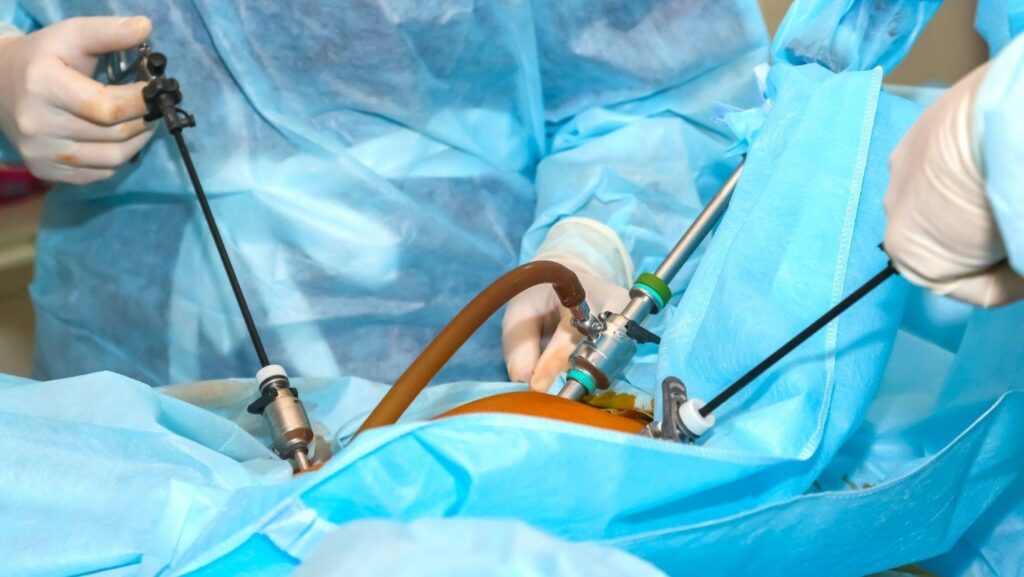
Minimally invasive healthcare utilizes either smaller incisions, direct access of certain organs through minimally invasive instruments or by means of image guided technology to achieve everything from diagnosis to surgery with the least disruption possible to surrounding tissues and organ structures. But those approaches are aimed at minimizing pain, reducing risk of complications and accelerating recovery compared to traditional open surgery.
Often, we can provide minimally invasive treatments in an outpatient setting under local anesthesia without the need for general anesthesia. This enables patients to stay free from prolonged hospital stay and return home soon after treatment. New technologies like ultrasound imaging, laser therapy, catheter-based processes and robotic-assisted systems designed these techniques to be more accurate and safer.
Minimally invasive medicine aims at inducing effective treatment of the underlying medical condition, as well as healing the overall patient experience. Such a patient-centric model of care has gained momentum with healthcare providers focusing on comfort, convenience and long-term wellness.
Faster Recovery and Reduced Downtime
The shorter recovery time for minimally invasive procedures over traditional surgery is perhaps one of the most important benefits you can avail from this type of treatment. Traditional surgeries often entail gigantic incisions, which could complicate the overall recovery with tissue injury, extended hospital visits and healing time. On the other hand, minimally invasive procedures are designed to keep trauma in the body as low as possible.
Patients often report experiencing less postoperative pain and swelling following treatment. Lower risk of infection and fewer visible scars since smaller incisions are applied. Hundreds of people are able to return to their regular lives in just days instead of weeks, which has an enormous impact on both the emotional and monetary costs associated with recovery.
Quick recovery will help with better physical and mental health as well. Prolonged recovery times can interfere with work commitments, family obligations, exercise programs, and time with friends. With the help of minimally invasive health care patients can continue living their lives more independently even during recovery.
Shorter recovery times can be especially helpful for older adults and those with chronic medical illnesses. Less exertion also might decrease the chances of complications that arise from prolonged inactivity or hospitalization.
Improving Patient Comfort and Confidence
One of the reasons many people avoid getting medical care is because they are afraid of having surgery. The anxiety around pain, anesthesia, scarring and lengthy recovery leads many patients to avoid therapy until an advanced stage of their clinical progression. The introduction of minimally invasive medicine is eliminating many of these fears by offering newer procedures that are less daunting and more patient friendly.
Smaller cuts as well as less discomfort can go a long way in making the procedure more pleasurable. Patients are more at ease knowing they can recuperate from home rather than be in a hospital for days. This control and convenience may also motivate people to go early before a condition deteriorates.
Patient education has become another pillar of modern healthcare. They expect physicians to listen more to patients, explain procedures in detail, discuss possible treatment outcomes and involve the patients in decision making. This type of collaboration makes patients feel more educated about their care and ultimately, that they have the decision-making power.
For instance, minimally invasive procedures are often used to treat vein disease and circulation problems in vascular medicine. Minimally Invasive Vein Treatments Patients searching for ways to increase blood flow and ease pain without traditional surgery may want to contact a minimally invasive vein treatment center. Such upgrades have made vein care much less invasive and more available in popular life.
Expanding Applications Across Medical Fields
Minimally invasive procedures are increasingly being applied in many facets of health care. Catheter-based treatments can be used to open occluded arteries and fix heart defects (usually without using a major chest scar) in cardiology. Using these new 3-D printing technologies, surgeons could use small instruments and cameras that can be inserted in relatively small incisions to perform arthroscopic surgery of joints, which is much less invasive than traditional methods.
Minimally invasive technology has also transformed gastroenterology. Endoscopic procedures allow doctors to see as well as assist treat digestive system conditions without making large incisions. Quantum computations have led to better image-guided biopsies and targeted therapies that cause much less long-term damage to healthy tissues when treating cancer, as advancements in oncology also show.
Even cosmetics and dermatology have welcomed minimally invasive methods, delivering treatments that reduce healing duration while resulting in natural-looking effects. Image guided injections and minimally invasive spinal procedures tailored to optimize patient comfort with lower recovery demands even have a place in chronic pain management now.
With the pulse of medical innovations, artificial intelligence (AI) and robotic-assisted technologies will inevitably raise reconciling accuracy with accessibility for minimally intrusive care.
Barriers to Accessibility
Even with all the potential benefits of minimally invasive healthcare, many communities still do not have access. It’s worth mentioning that some practices may or may not be available across different states of the USA based on healthcare infrastructure, insurance coverage and access to specialists in the area. In order to mitigate this trend, modern healthcare technologies should be made more accessible so that more patients can be treated using advanced treatment options.
Patient education, telemedicine support and establishing dedicated outpatient treatment centers are ongoing efforts by healthcare organizations and providers to make accessing care more feasible. Awareness on minimally invasive medicine can also lead to early diagnosis and treatment, thus lowering the possibility of complications that require intensive care.
Conclusion
This is important as minimally-invasive healthcare has revolutionized modern medicine, proving safer and more efficient alternatives to patient-focused practices in conventional surgery. These state of the art treatments help manage pain, minimize recovery time, and lead to a better patient experience while maintaining favorable clinical results.
However, as technology continues to advance, minimally invasive procedures are becoming a priority in order to increase access and improve quality of life. For many ailments today, patients are no longer confined to highly invasive surgical procedures. Instead, they can opt for comfort-based treatments that ensure faster healing and long-lasting wellness.
Through the provision of expanded access and modern alternative non-surgical healthcare methods, medical providers can ultimately help a greater number of individuals receive prompt, adequate care to be able to live healthier and more physically active lives.