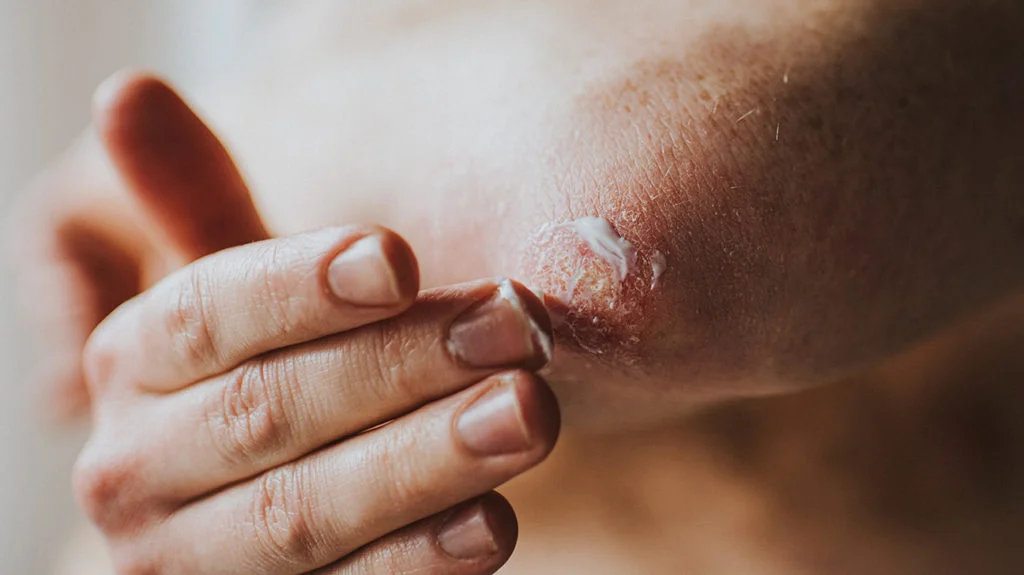
Psoriasis is a chronic skin condition that causes red, scaly patches, often accompanied by itching and discomfort. While medical treatments exist, many people seek a natural treatment for psoriasis to reduce symptoms with fewer side effects.
This article explores proven natural remedies, lifestyle tips, and dietary strategies that can help manage psoriasis effectively and improve your quality of life.
Understanding Psoriasis and Its Triggers
Before diving into natural solutions, it’s important to know what causes psoriasis. This autoimmune condition results from an overactive immune system that speeds up skin cell production, leading to inflammation and buildup of skin plaques. Various triggers can worsen psoriasis, including stress, infections, cold weather, smoking, and certain foods.
Why Choose Natural Treatment for Psoriasis?
Conventional treatments often include corticosteroids, phototherapy, or immunosuppressing drugs. While effective, these can have side effects such as skin thinning or increased infection risk when used long-term.
Natural approaches aim to soothe inflammation, support skin healing, and balance the immune response using gentle, holistic methods. These treatments are often safer for ongoing use and can be integrated with medical care for comprehensive management.
Leading Natural Treatments for Psoriasis
1. Aloe Vera
Aloe vera is a powerful plant with anti-inflammatory and moisturizing properties, making it one of the best natural treatment for psoriasis.
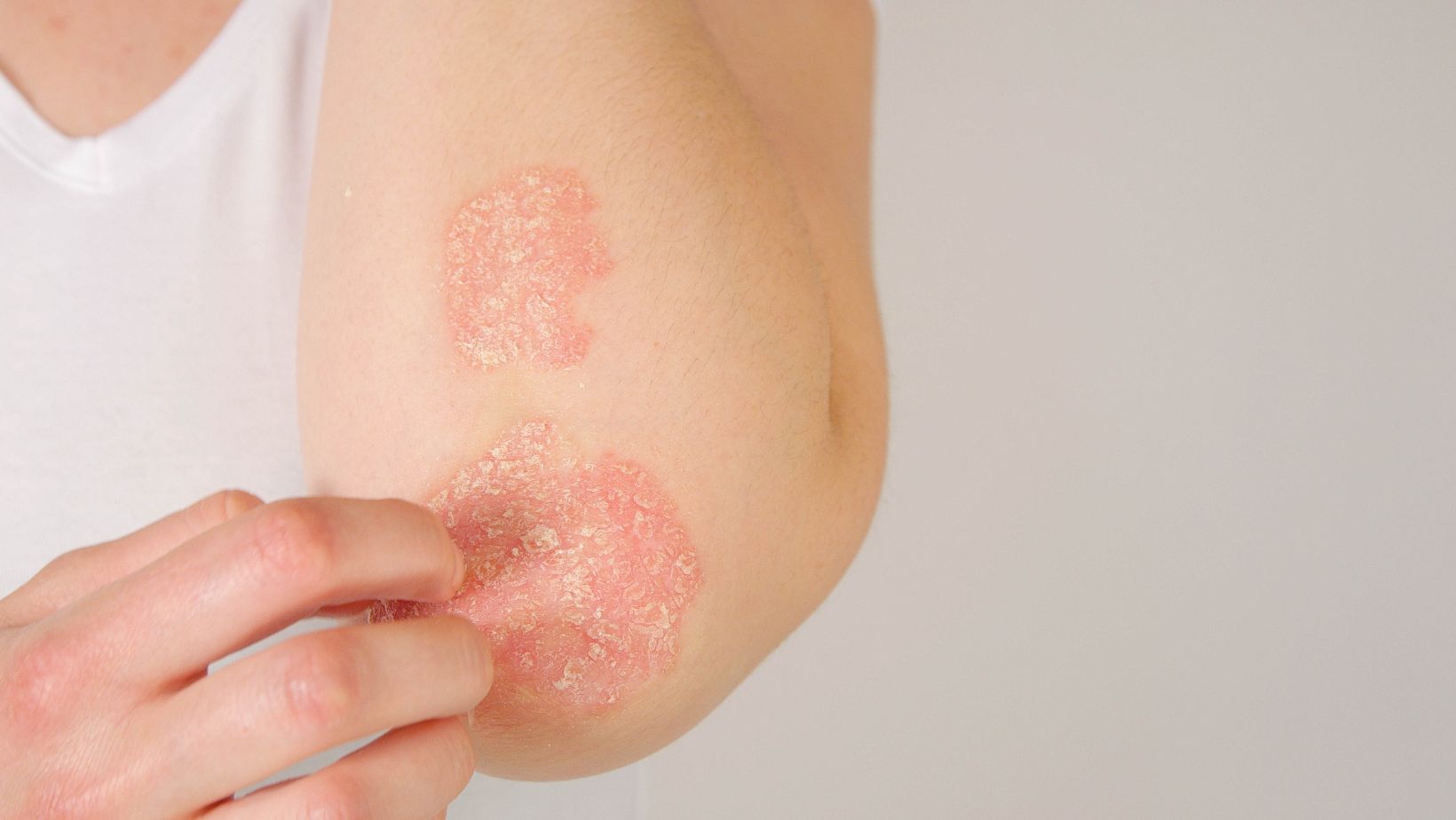
Applying aloe vera gel directly on affected areas can reduce redness, scaling, and itching. Its skin-healing compounds also promote repair and calm irritation.
2. Coconut Oil
Coconut oil acts as a natural moisturizer and contains fatty acids that soothe dry, flaky skin caused by psoriasis. Regularly massaging virgin coconut oil on plaques can reduce dryness and ease discomfort.
3. Apple Cider Vinegar
For scalp psoriasis, apple cider vinegar (ACV) is a popular natural remedy. Its antibacterial and antifungal properties can help relieve itchiness and flaking. Dilute ACV with water and apply it carefully to the scalp, avoiding open wounds to prevent irritation.
4. Dead Sea Salt Baths
Soaking in a bath with Dead Sea salts can improve psoriasis symptoms by removing scales and calming inflamed skin. The minerals in the salts promote skin hydration and reduce itching.
Diet and Psoriasis: A Natural Treatment Approach
What you eat greatly impacts inflammation levels and immune system behavior, making diet a cornerstone of natural psoriasis treatment.
Anti-Inflammatory Foods
Incorporate foods rich in antioxidants and omega-3 fatty acids such as:
- Fatty fish (salmon, mackerel)
- Leafy greens (spinach, kale)
- Berries (blueberries, strawberries)
- Nuts and seeds (walnuts, flaxseeds)
These help reduce systemic inflammation and may lessen psoriasis severity.
Avoid Trigger Foods
Some foods can trigger or worsen psoriasis flare-ups. Common culprits include:
- Processed foods high in sugar or fat
Red meat and dairy (in some cases) - Gluten (for gluten-sensitive individuals)
Keeping a food diary can help identify personal triggers and guide dietary choices.
Lifestyle Changes to Support Natural Treatment
Stress Management
Stress is a major trigger for psoriasis flares. Techniques like meditation, yoga, and deep breathing can lower stress hormones and improve immune balance.
Regular Exercise
Moderate exercise promotes circulation and reduces inflammation, which supports skin health. Aim for activities you enjoy, such as walking, swimming, or cycling.
Proper Skin Care
Gentle cleansing with fragrance-free products and daily moisturizing keep skin hydrated and less prone to cracking. Avoid harsh soaps or excessive scrubbing.
Supplements That May Help
Certain supplements have shown promise in supporting natural treatment for psoriasis:
- Vitamin D: Helps regulate immune function and skin cell growth. Many psoriasis patients are deficient.
- Fish Oil: High in omega-3s, it can reduce inflammation.
- Turmeric: Contains curcumin, a compound with anti-inflammatory properties.
Always consult your healthcare provider before starting any supplement regimen.