When it comes to maintaining overall wellness, vein health is often overlooked. Conditions like varicose veins and chronic venous insufficiency can significantly affect both physical comfort and aesthetic appearance. For those seeking expert care, Metro Vein Centers offer advanced treatment options designed to restore vein health and improve quality of life.
This article explores the latest innovations in vein treatments, highlighting their effectiveness, techniques, and overall impact on vascular health. By understanding these options, individuals can make informed decisions, seek help early, and maintain smooth, healthy legs.
Understanding Vein Health Issues
Common Vein Disorders
Vein disorders are quite common, affecting millions of individuals globally. The most frequently encountered conditions include varicose veins, spider veins, and chronic venous insufficiency. Varicose veins, which appear as twisted, bulging veins, often result from weakened valves that allow blood to pool. Spider veins, on the other hand, are smaller, more delicate veins that can be seen near the skin’s surface, resembling a web. Chronic venous insufficiency occurs when veins struggle to send blood back to the heart, leading to swelling and discomfort.
Symptoms of Vein Problems
Symptoms of vein disorders can vary but commonly include aching or heavy legs, swelling, skin changes, and restless leg syndrome. More severe cases might present with ulcers and significant discomfort, highlighting the importance of early detection and treatment.
The Impact of Poor Vein Health
Poor vein health can lead to a cascade of problems, not only impacting physical appearance but also overall health. Individuals suffering from severe vein disorders might experience chronic pain that impedes daily activities. Also, untreated vein issues can result in complications like blood clots, skin discoloration, and ulcers. Addressing these issues on time can improve both functional outcomes and quality of life, making awareness of advanced treatments critical for affected individuals.
Overview of Advanced Vein Treatments
Minimally Invasive Procedures
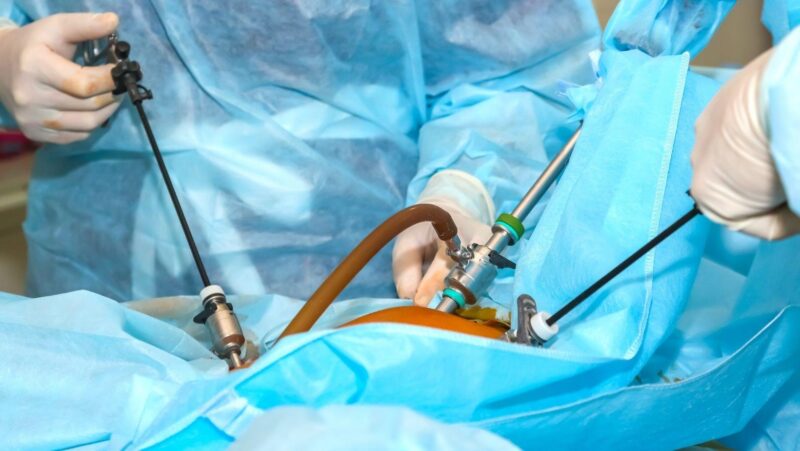
As medical technology advances, minimally invasive procedures have emerged as the front-line treatment for vein disorders. Unlike traditional surgical methods, these treatments enable faster recovery and minimal scarring. Patients can often return to their daily routines the same day, an appealing aspect for those who lead busy lives.
Endovenous Laser Treatment (EVLT)
Endovenous Laser Treatment (EVLT) is one of the most popular minimally invasive techniques. Utilizing lasers, this procedure effectively seals off problematic veins from the inside, leading to a significant reduction in symptoms and an improved aesthetic appearance of the legs. Patients typically experience minimal downtime and discomfort.
Radiofrequency Ablation (RFA)
Another highly effective treatment is Radiofrequency Ablation (RFA). Similar to EVLT, RFA uses radiofrequency energy to close off problematic veins, making it a desirable option for many patients. Clinical studies indicate that RFA has high success rates and minimal side effects, making it an attractive alternative.
Sclerotherapy Techniques
Sclerotherapy is another time-tested procedure for treating varicose and spider veins by injecting a solution directly into the vein. It causes the vein to scar and close, rerouting blood to healthier veins. This procedure is particularly popular for its efficacy and straightforward process.
Self-Care and Management Strategies
Lifestyle Changes for Healthy Veins
Maintaining healthy veins often starts with lifestyle management. Incorporating leg elevation while resting or sleeping can help reduce swelling. Also, wearing compression stockings can support blood flow, especially for individuals with a propensity for vein disorders. Staying hydrated and practicing good posture also contributes to venous health.
Dietary Recommendations
A balanced diet rich in antioxidants, fiber, and low in processed foods can play a pivotal role in maintaining vein health. Foods such as berries, leafy greens, and omega-3 fatty acids promote good circulation and reduce inflammation, which can help in managing existing conditions and preventing new ones.
Exercise and Physical Activity
The Importance of Professional Advice
Regular physical activity enhances venous return and overall leg health. But it’s crucial to seek professional advice before starting new exercise regimens, especially for those with existing vein issues. Physical therapists or specialists can provide tailored workout plans to avoid exacerbating any conditions.
Choosing the Right Specialist
When considering treatment for vein health issues, selecting the right specialist is vital. An expert in vascular medicine or a board-certified vein specialist will offer tailored solutions and personalized care, increasing the chances of successful treatment outcomes.
Conclusion
To conclude, advanced vein treatments offer effective solutions for individuals struggling with vein disorders. The combination of minimally invasive procedures, lifestyle management, and professional guidance can lead patients toward achieving smooth, healthy legs. By understanding these options, individuals empower themselves to seek appropriate care, ensuring not only aesthetic satisfaction but also improved health and well-being.