Core strength is the cornerstone of a successful Pilates practice. While traditional methods focus heavily on mat exercises, incorporating tube resistance bands can take your workout to a new level. These bands are not only versatile but also effective in enhancing the intensity of Pilates exercises without the need for bulky equipment. Whether you’re a beginner or a seasoned Pilates enthusiast, tube resistance bands offer an adaptable resistance level that suits any fitness level.
Why Core Strength Matters in Pilates
Core strength is not just about achieving a toned stomach; it is the foundation of a well-balanced and functional body. In Pilates, every movement originates from the core, which includes not only the abdominal muscles but also the lower back, hips, and pelvis. A strong core supports proper posture, enhances balance, and reduces the risk of injury during daily activities and physical exercises.
Engaging the core in Pilates stabilizes the spine and pelvis, and Tribe Lifting tube resistance bands enhance this stabilization, helping you maintain correct form throughout your exercises. A strong core also boosts endurance and efficiency, letting you perform more challenging movements as your practice progresses.
The benefits of core strength extend beyond the Pilates studio. Improved core strength can enhance your performance in other physical activities, from running to weightlifting, by providing a stable base for movement. It also plays a vital role in maintaining balance and stability, which are particularly important as we age. Thus, focusing on core strength is essential for a healthy, active lifestyle.
Effective Pilates Exercises with Tube Resistance Bands
Incorporating tube resistance bands into your Pilates routine can intensify workouts and provide a new challenge to your core muscles. Here are some effective exercises to integrate into your practice:
1. Seated Roll-Downs with Resistance Band
Seated roll-downs are a fundamental Pilates exercise that, when paired with a resistance band, can significantly enhance core engagement. To perform this exercise, start by sitting on the mat with your legs bent and feet flat. Hold the resistance band with both hands, keeping it taut between your feet and hands.
- Begin the Movement: Slowly roll down one vertebra at a time, pulling the band to create tension as you lower your back towards the mat.
- Engage the Core: Focus on engaging your abdominal muscles to control the movement and prevent your back from arching.
- Return to Start: Roll back up to the starting position, maintaining tension on the band throughout the movement.
This exercise not only strengthens the core but also improves flexibility in the spine, making it an excellent addition to any Pilates routine.
2. Variations with Band Tension
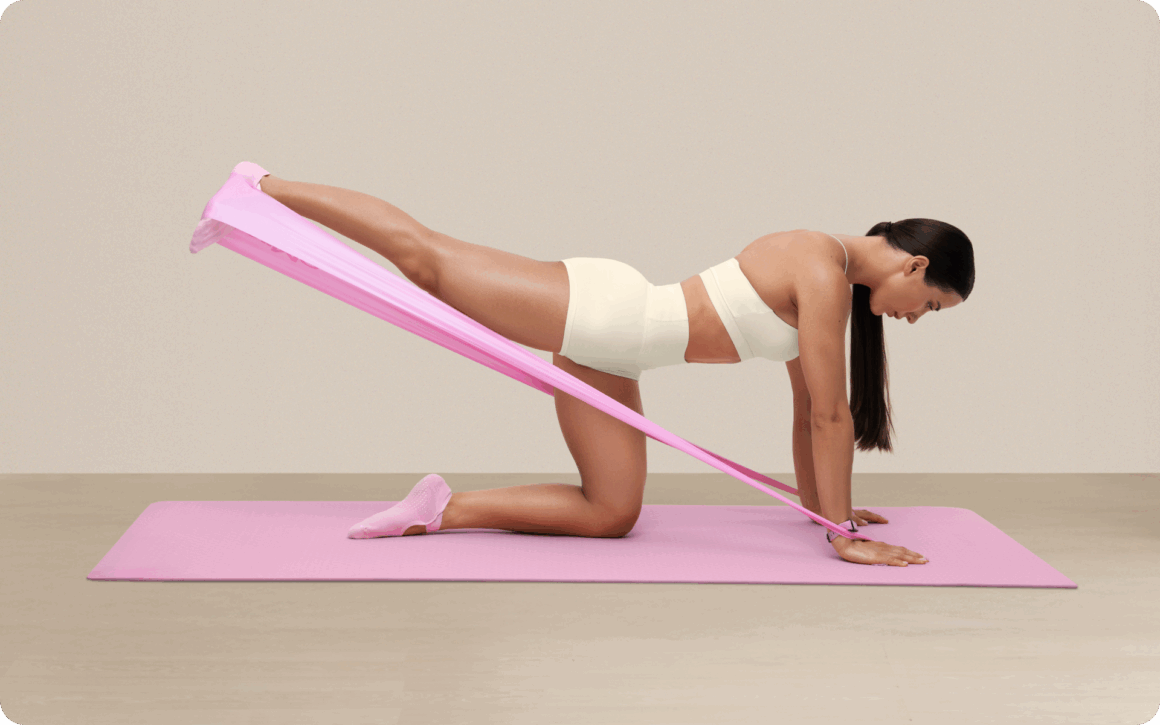
The plank is a quintessential core exercise, and using a tube resistance band can add an extra layer of difficulty. For this variation, loop the band around your wrists or ankles, depending on your preference.
- Standard Plank: Assume a plank position with hands under shoulders and feet hip-width apart, engaging the band by pressing outward.
- Side Plank: Transition into a side plank by shifting your weight to one hand, keeping the band taut.
- Dynamic Movements: Incorporate movements such as shoulder taps or leg lifts to further challenge your stability and core strength.
These plank variations with resistance bands engage the core muscles more deeply, promoting greater stability and strength.
3. Leg Circles with Tube Resistance
Leg circles are a classic Pilates move that targets the core, hips, and legs. Adding a tube resistance band increases the intensity and control required.
- Setup: Lie on your back with one leg extended towards the ceiling and the other flat on the mat. Secure the band around the elevated foot.
- Movement: Perform small circles with the raised leg, keeping the band taut to engage both the core and leg muscles.
- Switch Legs: Repeat the movement with the opposite leg, maintaining control and tension throughout the exercise.
This exercise is excellent for enhancing core stability and flexibility, making it a staple in resistance band Pilates workouts.
4. Single-Leg Stretch with Band Assistance
The single-leg stretch is a powerful exercise for core strength and stability. Using a resistance band adds an element of resistance that intensifies the workout.
- Positioning: Lie on your back with knees bent, holding the band around one foot.
- Movement: Extend the banded leg while pulling the opposite knee towards your chest, keeping the band taut.
- Switch Legs: Alternate legs in a controlled manner, focusing on maintaining core engagement and smooth transitions.
This exercise challenges the core while improving coordination and balance, contributing to a well-rounded Pilates practice.
5. Teaser Prep Using Tube Band
The teaser is an advanced Pilates move that requires significant core strength. Using a resistance band can help you build the necessary strength and control.
- Setup: Sit on the mat with knees bent and feet flat, holding the band taut between your feet and hands.
- Engage Core: Roll back slightly to balance on your sit bones, lifting your legs off the ground into a V shape.
- Movement: Slowly lower and lift your torso and legs, maintaining tension on the band to engage the core throughout.
This exercise is excellent for building the control and strength needed to master the full teaser position in Pilates. The University of Michigan’s resistance band exercise program emphasizes the importance of maintaining a neutral spine and engaging core muscles during exercises to prevent injury and enhance effectiveness.
Tips for Maximizing Core Engagement
Maximizing core engagement during Pilates exercises with tube resistance bands requires focus and technique. Here are some tips to ensure you’re getting the most out of your workouts:
- Focus on Alignment: Proper body alignment is crucial for effective core engagement. Keep your spine neutral and shoulders relaxed to prevent unnecessary strain.
- Breath Control: Breathing deeply and rhythmically helps activate the core muscles. Inhale to prepare and exhale as you perform the movement, focusing on drawing the navel towards the spine.
- Controlled Movements: Avoid rushing through exercises. Slow and controlled movements ensure that you’re engaging the core effectively and minimizing the risk of injury.
Additional Tips
- Use Mirrors: Practicing in front of a mirror can help you check your form and make necessary adjustments.
- Mind-Muscle Connection: Concentrate on the muscles you’re working to enhance core activation.
- Progress Gradually: Increase resistance and complexity of exercises as your strength improves to continuously challenge your core.
Incorporating these tips into your Pilates routine with tube resistance bands will maximize core engagement, leading to better results and a more rewarding workout experience.
Elevating Your Pilates Practice with Tube Resistance Bands
Integrating tube resistance bands into your Pilates routine can transform your workout, offering a unique way to enhance core strength and stability. These bands provide a dynamic form of resistance that challenges your muscles in new ways, promoting growth and preventing plateaus. Focusing on core strength and incorporating resistance bands can improve your overall Pilates practice, leading to better posture, increased flexibility, and reduced injury risk. Whether performing seated roll-downs, plank variations, or leg circles, resistance bands add an extra layer of difficulty that can help you achieve your fitness goals more efficiently.