
Living with chronic pain can be incredibly challenging, affecting every aspect of life. While medications, physical therapy, and other treatments are often used to manage pain, there is increasing interest in the role that diet and nutrition can play in providing relief. Certain foods can either help reduce inflammation and ease pain or, conversely, worsen inflammation and discomfort. A nutritious, anti-inflammatory diet can be a valuable addition to a pain management plan, providing support from the inside out.
This article explores how diet and nutrition impact chronic pain, discussing beneficial foods, dietary patterns, and which foods to avoid for managing pain.
Understanding Chronic Pain and Inflammation
The Link Between Inflammation and Chronic Pain
Inflammation is a key factor in many types of chronic pain, such as arthritis, fibromyalgia, and lower back pain. While inflammation is a natural immune response to injury or infection, chronic inflammation can contribute to persistent pain, making it harder to manage symptoms. According to the National Institutes of Health (NIH), certain foods can either trigger or reduce inflammation, making diet a potentially powerful tool in managing pain levels.
By incorporating anti-inflammatory foods into one’s diet, it’s possible to reduce the body’s inflammatory response, which can help alleviate chronic pain symptoms over time.
Foods That Can Help Reduce Chronic Pain
Omega-3 Fatty Acids
Omega-3 fatty acids are essential fats known for their anti-inflammatory properties. Found primarily in fatty fish like salmon, mackerel, and sardines, omega-3s can help reduce inflammation and pain. Studies suggest that regular consumption of omega-3s can lower inflammation markers in the body, reducing pain symptoms.
What the Research Says
A study published in the Journal of Pain found that participants with arthritis who took omega-3 supplements reported a 30% reduction in pain levels after three months, showing that omega-3s can be an effective component of a pain management plan.
Fruits and Vegetables
Fruits and vegetables are rich in antioxidants and phytochemicals that help combat oxidative stress and inflammation, both of which contribute to chronic pain. Leafy greens (such as spinach and kale), berries, cherries, and bell peppers are particularly high in antioxidants that protect the body from inflammation.
Colorful Choices for Pain Relief
Berries, especially blueberries and strawberries, contain compounds like quercetin and anthocyanins, which have been shown to reduce inflammation in the body. A study by Harvard Health suggests that a diet high in fruits and vegetables can reduce chronic pain in conditions such as osteoarthritis and fibromyalgia.
Whole Grains
Refined grains can trigger inflammation, but whole grains like quinoa, brown rice, oats, and whole-wheat products provide fiber, which can help reduce inflammation and improve gut health.
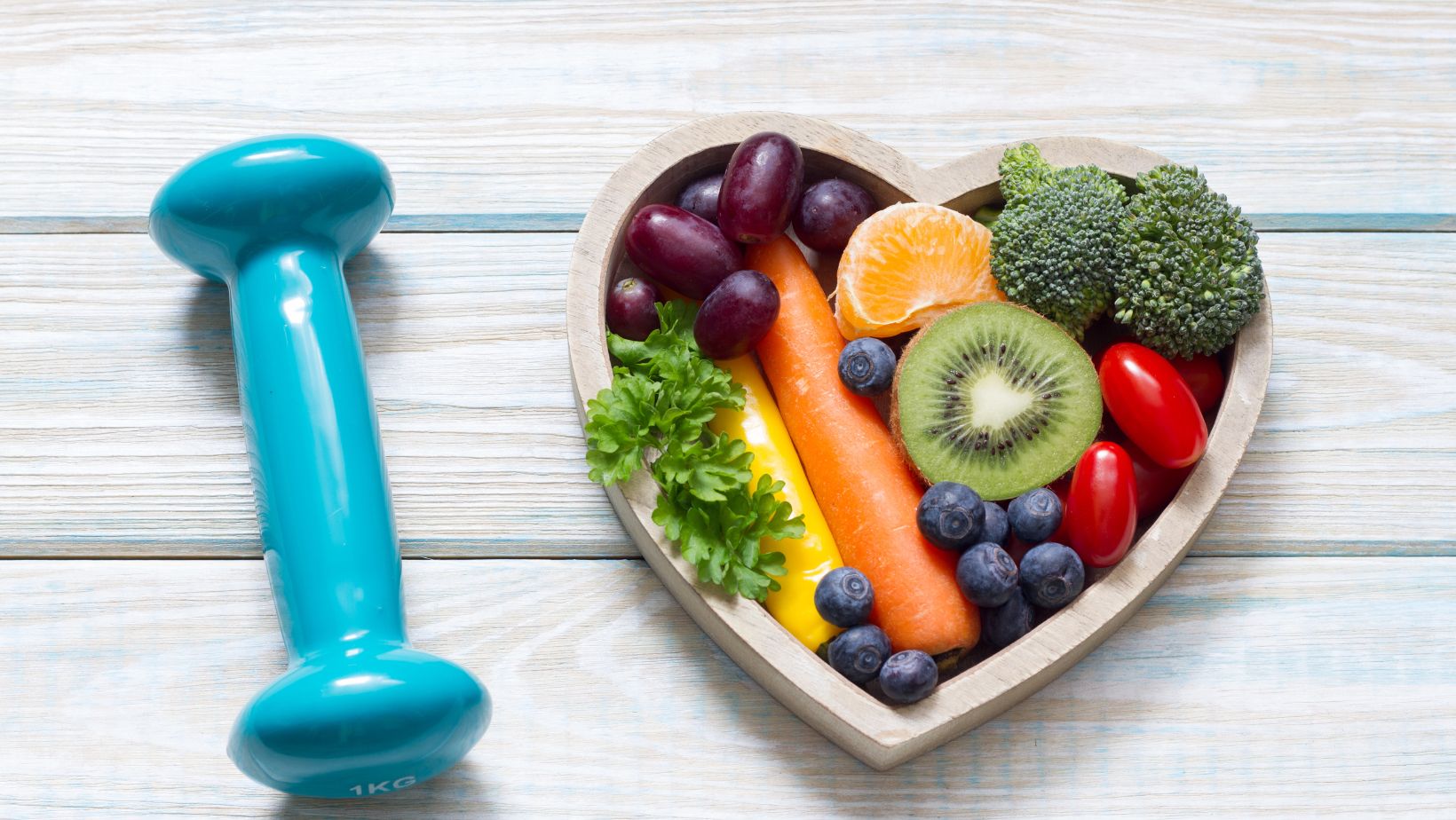
Fiber is crucial for maintaining a healthy gut microbiome, which influences immune responses and inflammation.
Fiber’s Role in Reducing Pain
Research published in the American Journal of Clinical Nutrition found that people who ate high-fiber diets had lower levels of C-reactive protein (CRP), a marker of inflammation linked to pain and other chronic conditions. Adding whole grains to one’s diet may help reduce CRP levels and associated pain.
Turmeric and Ginger
Turmeric and ginger are spices well-known for their anti-inflammatory effects. Turmeric contains curcumin, a compound that has shown promise in reducing pain and inflammation, especially in conditions like arthritis. Ginger also contains compounds called gingerols, which have similar anti-inflammatory effects.
Scientific Support for Turmeric and Ginger
A study in the Journal of Medicinal Food found that individuals with osteoarthritis who consumed curcumin supplements experienced a significant reduction in pain and stiffness. Adding turmeric and ginger to meals or taking them as supplements under medical advice can be a natural way to support pain management.
Nuts and Seeds
Nuts and seeds, such as almonds, walnuts, flaxseeds, and chia seeds, are packed with healthy fats, protein, and antioxidants that help reduce inflammation. These nutrient-dense foods also contain magnesium, which plays a role in muscle relaxation and nerve function, potentially helping alleviate pain.
Magnesium’s Role in Pain Management
Magnesium is known for its muscle-relaxing properties, and studies have linked low magnesium levels with increased pain sensitivity. Including magnesium-rich foods like nuts and seeds in your diet can support pain relief, especially for individuals with conditions like muscle tension and migraines.
Foods That Can Worsen Chronic Pain
Sugary Foods and Beverages
Excessive sugar intake can lead to inflammation, which can exacerbate pain. Sugary foods and beverages, like sodas, sweets, and pastries, can spike insulin levels and trigger an inflammatory response in the body.
A study from the American Journal of Clinical Nutrition found that individuals who consumed high amounts of added sugars experienced higher levels of inflammation markers, contributing to worsening pain symptoms. Reducing sugar intake can help minimize these inflammatory effects.
Processed and Refined Foods
Processed foods, such as packaged snacks, fried foods, and refined grains, often contain unhealthy fats and artificial additives that can increase inflammation. Trans fats and high levels of omega-6 fatty acids, commonly found in these foods, can contribute to chronic inflammation and worsen pain.
To reduce inflammation, it’s best to limit processed foods and focus on whole, nutrient-rich options.
Red and Processed Meats
Red and processed meats, such as bacon, sausages, and deli meats, contain compounds like nitrites and advanced glycation end products (AGEs), which are known to promote inflammation in the body. A diet high in red and processed meats has been linked to higher levels of inflammatory markers, which can worsen pain symptoms in conditions like arthritis.

Switching to lean proteins, such as fish or plant-based sources, can help reduce inflammation and support overall health.
Building an Anti-Inflammatory Diet for Pain Relief
The Mediterranean Diet
The Mediterranean diet is often recommended for managing chronic pain due to its anti-inflammatory properties. This diet emphasizes whole grains, fruits, vegetables, nuts, seeds, olive oil, and lean proteins, such as fish. Studies have shown that people who follow a Mediterranean diet tend to have lower levels of inflammation, reduced pain, and improved quality of life.
According to a study published in the Journal of Nutrition, individuals with chronic pain who adopted a Mediterranean diet experienced a significant decrease in pain intensity** and overall improvement in well-being.
Hydration and Pain Management
Staying hydrated is essential for managing chronic pain. Dehydration can worsen muscle pain and fatigue, making it important to drink enough water throughout the day. Herbal teas, like ginger or turmeric tea, can also provide anti-inflammatory benefits while keeping you hydrated.
Tips for Building a Pain-Relieving Diet
1. Focus on whole foods: Prioritize fruits, vegetables, whole grains, and lean proteins.
2. Limit processed foods and sugars: Cut back on processed snacks, sugary beverages, and refined grains.
3. Incorporate anti-inflammatory spices: Add turmeric, ginger, and other anti-inflammatory spices to meals.
4. Stay hydrated: Drink water throughout the day, aiming for about 8 cups daily, depending on your activity level and climate.
Conclusion
Diet and nutrition play a significant role in managing chronic pain. By focusing on anti-inflammatory foods, such as omega-3-rich fish, leafy greens, whole grains, and spices like turmeric, individuals with chronic pain can reduce inflammation and support overall well-being. On the other hand, limiting sugary, processed, and fatty foods can prevent inflammation from worsening, potentially reducing pain levels.
Although diet alone may not eliminate chronic pain, it can be a valuable part of a comprehensive pain management plan. For those living with chronic pain, making mindful dietary choices offers a natural and supportive way to manage symptoms and improve quality of life.
References:
1. National Institutes of Health. (2022). Role of Diet in Chronic Pain and Inflammation. Retrieved from [NIH](https://www.nih.gov).
2. Journal of Pain. (2020). Effects of Omega-3 on Pain Management. Retrieved from [Journal of Pain](https://www.jpain.org).
3. American Journal of Clinical Nutrition. (2019). The Impact of Sugar and Processed Foods on Inflammation. Retrieved from [AJCN](https://www.ajcn.org).