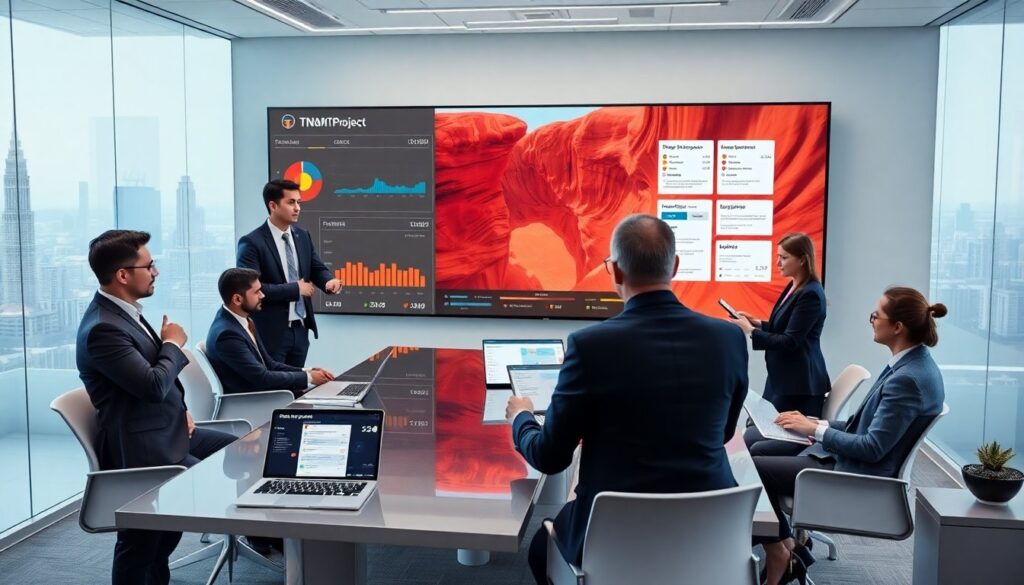
technology tnsmtproject learning resources canyon game feedback sit at the center of modern player education. The TNSMTProject commits to clear tools and curated materials. It gives teams practical pipelines for player testing and feedback. It helps designers adapt systems using data. This article lists core resources, shows how to collect feedback, and maps a workflow for steady improvement.
Key Takeaways
- TNSMTProject provides structured technology and learning resources that enhance player education in the canyon game through practical pipelines and measurable metrics.
- Core resources include curated courses, tutorials, sample levels, and telemetry tools designed to teach specific skills like pathfinding and timing effectively.
- Collecting player feedback using in-game prompts, session logs, and surveys enables teams to analyze data and make informed improvements based on clear success metrics.
- A repeatable workflow involves selecting focused resources, defining success metrics, running small tests, analyzing results, implementing changes, and conducting A/B tests to ensure steady improvement.
- TNSMTProject tools automate data collection and analysis, allowing teams to run multiple learning cycles per month and maintain a searchable history of validated changes.
- Sharing a library of proven resources and modifications across projects supported by TNSMTProject accelerates onboarding and increases confidence in design decisions.
What TNSMTProject Brings To Canyon Game Learning
TNSMTProject offers a structured set of tools for canyon game training. The project provides open tech stacks, testing rigs, and sample level packs. It supplies telemetry templates that record player choices and performance. It shares analysis scripts that convert raw logs into actionable charts. The project supports community addon resources and multiplatform builds. Teams use TNSMTProject to reduce trial time and improve lesson clarity. The project integrates with common CI systems to push updates fast. TNSMTProject lets teams validate changes with small player cohorts before wide release. It reduces guesswork and speeds up learning cycles. The project aligns learning objectives with measurable in-game metrics.
Core Learning Resources To Master The Canyon Game
Learners need focused documentation, hands-on labs, and regular feedback loops. TNSMTProject curates the most useful resources. It lists sample levels that teach specific skills like pathfinding, timing, and resource use. It also offers debugging guides that explain common failure modes. The project links to community discussion channels for peer support. Learners follow guided runs that target single mechanics. Mentors assign exercises that use telemetry to show improvement. The resource set balances text, video, and interactive content. The mix helps different learning styles. The project updates the list as new lessons prove effective.
Recommended Courses, Tutorials, And Documentation (Curated List)
TNSMTProject curates short courses that teach core canyon game skills. The list includes a free fundamentals course that covers movement, vision, and pacing. It includes a practice pack of ten micro-levels that isolate one skill per level. It links to a tutorial series that demonstrates common AI patterns in canyon scenarios. It references a documentation hub that covers asset pipelines and performance tuning. Each item on the list shows time-to-complete and learning outcomes. Teams pick the items that match their goals. The curated list favors repeatable drills and clear success metrics.
Collecting, Interpreting, And Acting On Player Feedback
Projects must collect feedback in structured ways. TNSMTProject recommends a mix of in-game prompts, session logs, and short surveys. The project suggests small, frequent tests with 5–12 players. It records task completion, time on task, and error patterns. It also captures subjective ratings on clarity and fun. Analysts combine quantitative logs and short quotes to form hypotheses. They test one change at a time to isolate effects. They measure change using the same metrics used in the baseline. They then decide to keep, revise, or discard the change.
Teams use simple dashboards that show trends over time. The dashboards highlight regressions first and wins second. They flag levels where most players fail or stop playing. Designers read flagged moments and pair them with log snippets. They run quick interviews when logs show unclear failure causes. Interviews use three focused questions to keep time low. Interviewers ask what the player tried, what they expected, and what confused them. The team logs answers as short, tagged notes. They link notes to timestamps and replay clips where possible.
Practical Workflow: From Resource Selection To Measured Improvement
Projects need a repeatable workflow to turn resources and feedback into improvement. The workflow below follows clear steps.
- Choose a resource that targets a single skill. Teams pick one curated course module or a micro-level.
- Define two success metrics. Teams pick one objective metric and one subjective rating.
- Run a small test. They recruit 5–12 players and collect logs and a one-minute survey.
- Analyze logs. Analysts summarize failure modes and time-on-task. They annotate replay clips for designers.
- Create one focused change. Designers change a single element such as a visual cue, timing window, or enemy pattern.
- Run an A/B test. Teams compare the changed level against the baseline using the same metrics.
- Decide and document. If the change improves both metrics, they adopt it. If it fails, they revert and record the lesson.
This workflow keeps experiments short and outcomes clear. Teams run three cycles per month for steady gains. They also rotate resource modules to avoid training plateaus. TNSMTProject tools automate log collection and basic charting. The tools free analysts to focus on cause and effect. The project encourages short writeups after each cycle. The writeups capture the hypothesis, data, change, and outcome. They create a searchable history of what worked and what did not.
Teams repeat the workflow and build a library of validated resources and proven changes. This library shortens onboarding for new designers. It also increases confidence in design choices. TNSMTProject supports sharing that library across projects to scale learning wins.