Chronic vein conditions develop quietly. Before visible varicose veins or nagging leg pain kicks in, subtle changes in circulation, muscle use and everyday behavior help mold vascular health. The difficulty with vein disease, however, is that its evolution is less affected by acute events than chronic behaviors over time. Here’s where the science of behavior change can be an invaluable weapon in preventing it.
By learning the science behind how habits are formed, why we battle to keep healthy routines and what inspires lasting change, medical practitioners and patients can make significant strides in thwarting chronic vein diseases. It makes prevention realistic, measurable and doable at the intersection of behaviour science with vascular medicine.
The Lifestyle-Based Nature of Chronic Vein Disease
Genetic and age factors can cause chronic venous insufficiency, varicose veins, and spider veins; however, lifestyle also greatly determines what age these conditions develop in individuals and how severe they become. Sitting/standing, low physical activity, being overweight weight and dehydration as well as faulty movement patterns all lead to an increased pressure on the venous system.
From a behavior science perspective, very few of us consciously decide we’d like to have one or more of these risk factors. Instead, they come from the environment we’re in, the work that needs doing, our patterns and habits – things we do on automatic. Preventing vein disease is, therefore, not just about knowledge but also consciously shaping behavior.
Why What We Know Isn’t Enough
Most people know that movement helps circulation and sitting too long is bad. Yet having the knowledge doesn’t often automatically translate into lasting change. To investigate, we turn to the science of behavior change, which reveals a critical gap between intention and action.
Habits are fueled by cues, routines and rewards. Take away these factors and not even the brightest among us can keep up good habits. Successful strategies for preventing poor vein health must be thus designed to change environments and routines, rather than simply provide information.
Exercise as a Behavioral Base of Vein Health
Regular movement is one of the most potent guards against poor vein health. Walking turns on the calf muscle pump, which assists in moving blood upward against gravity. But modern living does not promote regular movement.” Notably for those who work desk-bound or service-based jobs.
Science of behavior change studies show that integrating movement into everyday life is better than motivation alone. Tiny, repetitious steps such as taking a short walk or stretching your posture or exercising your legs in low resistance can go a long way with enhancing circulation if done repeatedly. By collecting together, these micro behaviors add up to significant vascular defense in the long term.
Environmental design and healthy habits
Condition has a huge effect on behavior. When work places, homes and public spaces are planned without thought for movement, sitting becomes the default. Ending the ecosystem that gives rise to chronic vein-related conditions depends on creating places where healthier choices are default.
Small environmental tweaks like standing desks, nudges to move, paths for walking in an office or shoes that encourage circulation can act as a buffer to willpower. These design led interventions are heavily based on behavior science and have a lasting effect.
Standing, Sitting and the Myth of One ‘Right’ Posture
From a vascular perspective, there are risks to both sitting and standing for long periods. What matters most is variation. The science of behavior change is about flexibility rather than rigidity, and encourages patterns that open up to regular shifts in position.
Helping people to listen and notice when they are feeling some type of discomfort, and responding with a gesture of movement is key for body awareness. This responsiveness lowers venous pressure and promotes overall vein health. It’s not perfect posture we’re after, but dynamic behavior.
Weight Control Through Sensible Behavior Modification
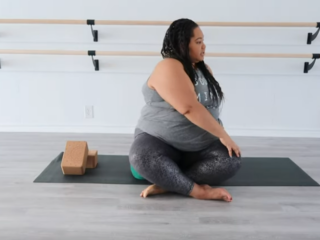
The extra pressure from being overweight can damage the valves inside the veins and cause them to stretch and enlarge. The conversation surrounding weight loss is too often medicalized, but in behavior science, it is a long term construction project rather than a short-term goal.
Healthy weight-related behaviors center on habit, self, and place instead of control. As people implement habits that are compatible with their daily habits and values, weight stabilization is a natural byproduct which in turn reduces stress on the vascular system.
Hydrating and Circulation as Way of Life
Blood viscosity and circulatory effectiveness are influenced by hydration. But each country still has its own percentage of citizens who are chronically underhydrated due to distraction or cues in their environments that favor caffeinated drinks over water.
Behavioural strategies for facilitating regular use A number of behavioural techniques, such as binding hydration to current practices, provision of visual reminders or modification in availability might considerably increase adherence. These little changes promote healthy veins without complicating life.
Stress, Behavior, and Vascular Health
Behavioral patterns and physiological responses mediate the indirect effect of chronic stress on vascular health. Mortman said high stress tends to result in less movement, a lack of sleep and inflammatory responses that impact blood flow.
Science of behaviour change (SOCB) draws attention to the role of stress-regulation habits including mindful movement, breathing and recovery practices. These activities simultaneously promote blood vessel and emotional health, underscoring the mind-body aspect in preventing varicose veins.
Early Intervention and Behavior Awareness
Early behavioral insights are among the most helpful preventive measures. Acknowledging symptoms such as heavy or swelling legs, fatigue of the lower limb, can give opportunity to intervene before structural damage continues.
Early behavioral changes can postpone, and may sometimes avoid the need for medical intervention. But the science of behavior change also recognizes that not all vein problems can be stopped by lifestyle alone.
When Medical Care Complements Prevention
Even with the best prevention, some of us will still get vein disease because we inherited it or had to stand at work. This being the case, medical evaluation will be an integral part of a good prevention plan.
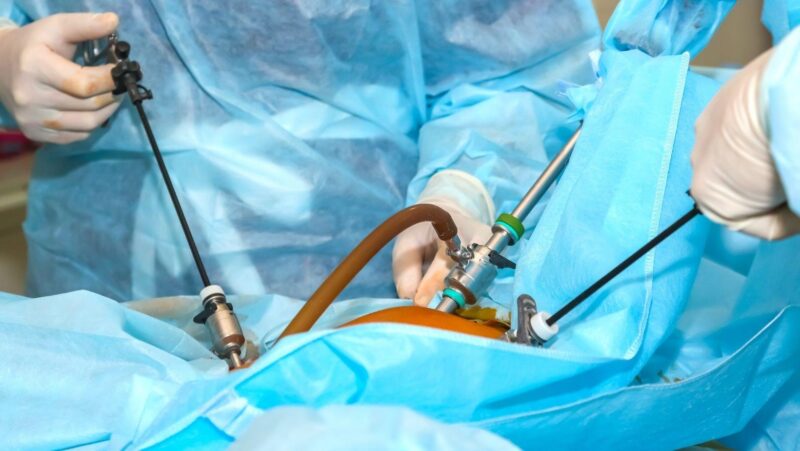
Accessible medical care, like Vein treatment in Orlando, gives people a means to work on existing vein problems without stopping the preventive undertakings. This comprehensive methodology interrupts the recurrence and promotes long term vascular health.
Compliance to Treatment with Behavior Insight
Science of behavior change also has a role once diagnosed. Compliance to compression therapy, mobility after treatment and follow-up are predominantly behavior-dependent.
When health care providers can see what motivates patients, the barriers they face and their daily routines, they can develop treatment approaches that make sense in people’s real lives. This enhances compliance and outcomes and underscore the utility of behaviorally informed care.
Technology and Behavior Feedback Loops
Behavior change is also facilitated by feedback from digital solutions, including reminders, activity-tracking apps and health applications. These are the building blocks that equip language which is unseen, to be seen, support momentum and promote routine.
Used thoughtfully, technology aids in the comprehension of how daily actions impact circulation and turns prevention into something tangible and measurable.
Community & Social Influence of Health Behaviors
Change cannot occur in a vacuum. Social, peer, and cultural norms shape daily behaviors. It is through community interventions, workplace wellness and common practice that larger numbers of people will feel it’s not unusual to engage in vein-healthy behaviors.
This sense of collective activity is in keeping with public health models, and magnifies individual ones.
Reactive to Proactive Approaches to Treatment
Vein care has traditionally been reactive, treating signs after they already get painful or visible. Science of behavior change favoring a focus on prevention by addressing downstream causes upstream and at scale.
This shift in perspective encourages people to think about vein health as a lifestyle not an episode of care.
Conclusion: Daily Behavior Is Where Prevention Lives
Vein disease is not something that happens overnight. They are the product of years of patterns that have moulded those behaviors based on environment, and routine — on habit. The science of behavior change can inform strategies to address and alter such patterns, in a feasible and lasting way.
Understanding the connection between patient behavior and medical data, people and systems can work to develop their own proactive vein health. Does prevention then become not a single act but a series of little, deliberate acts that preserve circulation over time? In such moderation, science informs behavior and care to mitigate risk and improve quality of life.