Mesothelioma Hope is a U.S.-based patient advocacy organization focused on supporting individuals diagnosed with mesothelioma, a rare asbestos-related cancer. The organization provides access to medical resources, specialist referrals, financial assistance options (including asbestos trust funds and legal claims), and educational materials. It also facilitates virtual support services for patients and families navigating treatment and care decisions. This article references Mesothelioma Hope as a resource for patient support information.
| TL;DRRespiratory therapy cannot cure mesothelioma, but it is one of the most effective ways to reduce shortness of breath and maintain daily function. Patients benefit most when they combine simple breathing techniques, airway clearance methods, and consistent routines tailored to their condition.Breathing problems in mesothelioma are mainly caused by tumors and fluid buildup (pleural effusion) that restrict lung expansion. The goal of therapy is to improve airflow, reduce breathing effort, and prevent complications like mucus buildup or lung collapse.The most effective starting point is pursed-lip breathing, which provides immediate relief during breathlessness. This should be paired with diaphragmatic breathing to strengthen the lungs over time (typically three to four weeks for noticeable improvement). For patients with mucus or post-surgical needs, airway clearance techniques, such as chest physiotherapy, postural drainage, and controlled coughing, help restore airflow.Devices support these efforts:Incentive spirometer → improves lung expansion (10% to 20% gain in four to six weeks)Nebulizer → delivers medication directly to airwaysBest results come from daily consistency, energy conservation, and coordination with a care team. Patients who follow structured routines and monitor symptoms closely typically experience less breathlessness, better endurance, and improved quality of life. |
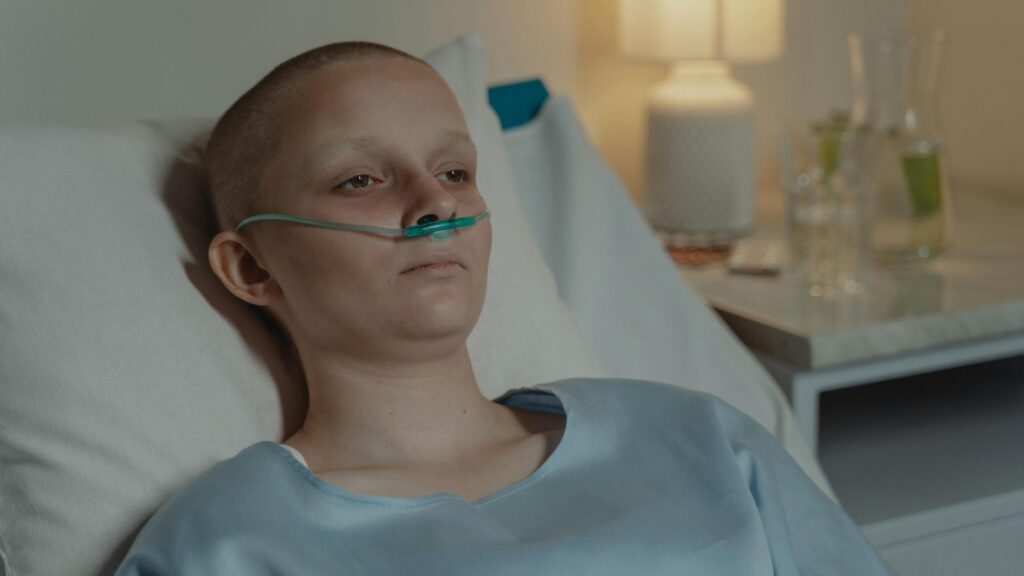
Shortness of breath is among the most common effects of mesothelioma. It can drain the patient both physically and emotionally. This makes basic tasks a daily struggle. In many cases, the difficulties arise when tumors and fluid buildup press on the lungs, reducing airflow.
Mesothelioma patients can use several home-based methods to reduce the impact of impaired breathing. However, respiratory therapy has become the go-to option. It may not reverse the disease, but it can make breathing more manageable and improve the quality of life. This article identifies the best respiratory therapy exercises and tools for patients. It also highlights behaviors that support symptom management.
Why Breathing Is a Bigger Issue in Mesothelioma Care
Pleural Mesothelioma (Primary Cause)
Pleural mesothelioma affects the lining of the lungs, which enables smooth expansion. Tumor growth restricts this movement and often causes pleural effusion, where fluid accumulates in the chest cavity. This limits airflow and leads to breathlessness and chest pain.
Peritoneal Mesothelioma (Secondary Impact)
Peritoneal mesothelioma affects the abdominal lining. As tumors grow, they can push against the diaphragm and cause fluid buildup, indirectly restricting lung expansion and making breathing more difficult.
Common Respiratory Symptoms
Both types introduce a series of chest and respiratory issues. These include:
- Shortness of breath
- Chest tightness and pain
- General fatigue
- Difficulties in walking
- Anxiety
Why Respiratory Therapy Fits
Respiratory therapy is part of supportive care and pulmonary rehabilitation. It does not cure mesothelioma but improves breathing efficiency and symptom control. Documented benefits include:
- 20% to 40% reduction in breathlessness (dyspnea scores)
- Improved walking distance and endurance
- Better tolerance of cancer treatments
Core Respiratory Therapy Techniques Used in Mesothelioma Care
The method is a set of targeted practices, each addressing a specific area of impaired breathing. Doctors usually use several approaches based on what the patient can tolerate and the existing effects. The common techniques used for breathing problems caused by mesothelioma include:
Breathing Exercises
Diaphragmatic Breathing
Focuses on restoring diaphragm function.
How it works:
- Inhale through the nose, expanding the abdomen
- Exhale slowly through pursed lips
Benefits:
- Improves oxygen exchange
- Reduces breathing effort
- Strengthens respiratory muscles
Timeline: Three to four weeks of daily practice
Pursed-Lip Breathing
Used during acute breathlessness.
How it works:
- Inhale through the nose
- Exhale slowly through puckered lips (twice as long)
Benefits:
- Keeps airways open longer
- Reduces breathing rate
- Provides rapid relief
Timeline: Relief within one to two minutes
When to Avoid Breathing Exercises
- Active pneumothorax
- Severe chest pain or post-surgical complications
- Oxygen saturation below 88% without support
Airway Clearance Techniques
Chest Physiotherapy (CPT)
- Uses percussion to loosen mucus
- 20 to 30 minute sessions, one to two times daily
Postural Drainage
- Uses gravity to move mucus
- Performed in specific positions for 10 to 15 minutes
Controlled (Huff) Coughing
- Clears mucus with less strain
- Useful when secretions are present
When to Avoid Airway Clearance
- Active bleeding (hemoptysis)
- Recent surgery with anticoagulation
- Rib fractures or chest metastases
Respiratory Devices
Incentive Spirometer
- Encourages deep breathing using visual feedback
- Prevents lung collapse after surgery
Usage: ~10 breaths per hour
Outcome: 10% to 20% lung function improvement in four to six weeks
Nebulizer
- Delivers medication directly to airways
Usage: Two to four times daily
Session length: 10 to 15 minutes
When to Avoid Devices
- Spirometer: pneumothorax or bullous lung disease
- Nebulizer: uncontrolled cardiac arrhythmias
Energy Conservation Strategies
These reduce breathlessness during daily activity.
Key methods:
- Break tasks into smaller steps
- Rest before fatigue begins
- Use seated positions when possible
- Perform difficult tasks early in the day
| Technique | Primary benefit | When to use | Expected timeline for results |
| Diaphragmatic breathing | Makes the diaphragm strong, improves oxygen flow. | Daily practice, during and after activity | Three to four weeks of daily 10 to 15-minute sessions |
| Pursed-lip breathing | Slows breathing rates, opens the airways | During breathlessness or physical exhaustion | Immediate relief, one to two minutes per episode |
| Chest physical physiotherapy | Loosens and removes mucus | As planned by the doctor, usually after surgery | Three to seven days to clear acute secretion buildup |
| Postural drainage | Clears secretions using gravity | Scheduled sessions, usually morning or evening | Three to five days, best combined with CPT |
| Controlled coughing | Removes secretions without struggle | When mucus is present | Immediate reduction in cough strain |
| Incentive spirometry | Expands lungs, prevents airway collapse | Post-surgery recovery and daily maintenance | 10% to 20% FVC improvement in four to six weeks |
| Nebulizer therapy | Delivers medication directly to the airways | As directed by the care team | 30 to 60 minutes per session for acute relief |
| Energy conservation | Reduces breathlessness during daily tasks. | Ongoing, as part of daily activity planning | Noticeable functional improvement in two to four weeks |
Patients and families facing breathing issues and other effects of cancer can look for trustworthy guidance from resources like Mesothelioma Hope. These resources provide treatment and respiratory recommendations and legal assistance to patients navigating the condition. They also connect patients to specialists who understand the disease deeply and can provide personalized recovery paths.
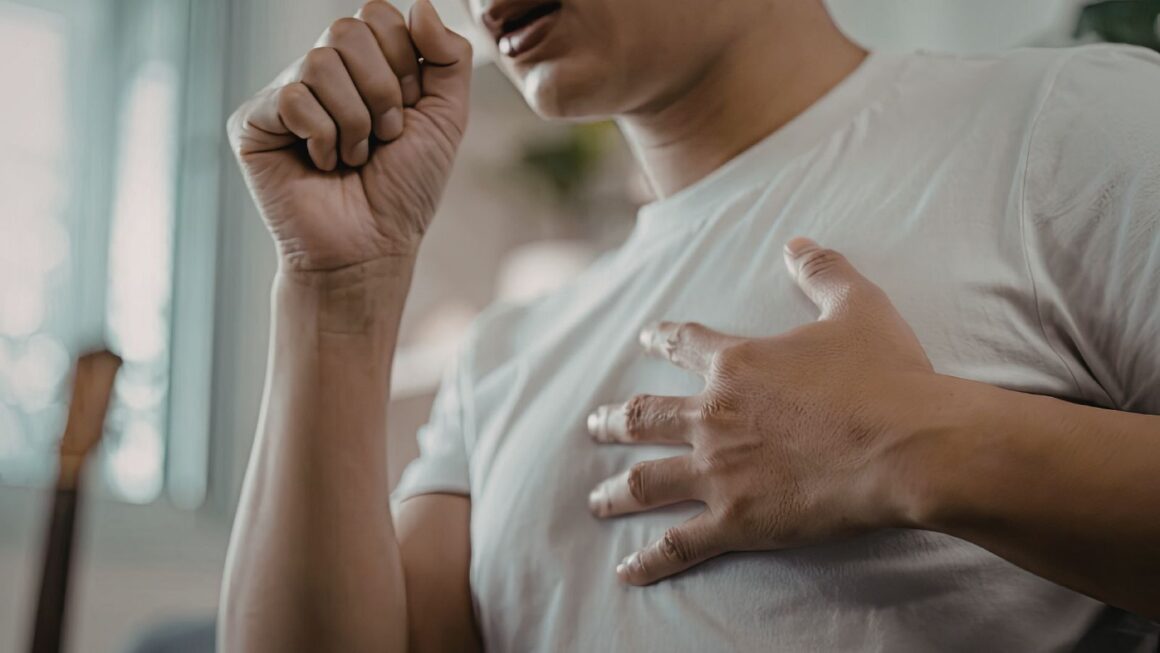
Systems That Strengthen Respiratory Outcomes
Exercises alone do not create consistent improvement. Systems and structures around therapy matter just as much. Without good systems, even the best actions can drop or become difficult to perform during some days. Here are the supporting systems that enables patients to remain focused, catch problems early, and get the most out of every therapy session:
| System | How it Works | Impact on Breathing Problems |
| Daily routine integration | Breathing and airway clearance exercises are tied to fixed morning and evening slots. They remove the need to “decide” to do it each day by linking therapy to existing habits. | Creates a consistent breathing baseline. Morning sessions open airways for the day ahead. Evening sessions reduce overnight mucus buildup and discomfort. |
| Healthcare provider collaboration | Pulmonologists assess lung capacity and prescribe therapy parameters.Respiratory therapists teach and refine exercises.Oncologists adjust timing around treatment options.The care team meets regularly to check targets as the state of the patient improves. | Ensures techniques stay appropriate for the patient’s current health status. Prevents overexertion or use of methods that conflict with active treatment. |
| Home-based monitoring tools | Pulse oximeters track the actual blood oxygen saturation.Symptom journals or apps log breathlessness patterns and activity triggers. Readings or notes are shared with the care team at appointments. | Detects early drops in oxygen levels before they become acute. Points out specific triggers so treatment and daily plans can be changed accordingly. |
| Consistency and slow progression | Sessions begin at a manageable level and increase slowly to slightly longer periods and broader activity range or higher exertion. Short daily practice is considered over occasional intensive sessions. | Builds breathing efficiency over weeks instead of days. Slow improvements lower pitfalls and encourage patients to continue pushing |
Behaviors that Support Long-Term Breathing Management
- Consistency over intensity: Daily practice produces better results than occasional effort.
- Caregiver involvement: Caregivers can help with:
- Reminders
- Technique support
- Symptom monitoring
- Anxiety management: Some practices include
- Calm environments reduce breathlessness triggers
- Relaxation techniques improve breathing control
- Habit formation: Simple, repeatable routines increase long-term adherence.
Frequently Asked Questions
When should patients start respiratory therapy?
The right time to start is as early as possible, ideally at the point of diagnosis or at the start of active treatment. Early initiation allows patients to build diaphragm strength and breathing habits before functional decline accelerates.
How long until results are noticeable?
The timeline varies by technique. For example, pursed-lip breathing provides immediate relief within 1–2 minutes during an acute episode of breathlessness. Improvements in 6-minute walk test distance and overall dyspnea scores on validated tools typically appear after 6–8 weeks of structured pulmonary rehabilitation. Maximum functional gains from a full rehabilitation program are generally achieved between 8 and 12 weeks.
What are the risks or limitations of respiratory therapy?
Respiratory therapy is generally safe when supervised, but it has limitations that patients and caregivers must pay attention to. These include:
- Overexertion in patients with very low lung capacity (FVC below 40% predicted) can cause dangerous drops in SpO₂.
- Rib or chest wall pain in patients with bone metastases is aggravated by deep breathing or percussion.
- Aspiration risk during airway clearance if techniques are performed incorrectly.
Patients with rapidly progressing disease may require the care team to recalibrate goals toward comfort-focused breathing support rather than functional improvement.
How do these compare to medical interventions like thoracentesis?
These approaches serve fundamentally different purposes and are complementary, not competing. Thoracentesis is a medical procedure in which a needle drains fluid from the pleural space, offering rapid symptomatic relief. Most patients report significant improvement within hours of removing 1 to 1.5 liters of fluid. However, pleural effusions recur in 80% to 90% of patients within 30 days without definitive management.
Respiratory therapy cannot drain fluid and is not appropriate as a standalone response to large effusions. Its role is to optimize breathing mechanics around, between, and after other medical procedures. It helps patients recover faster, maintain better baseline lung function between procedures, and delay the functional impact of slow-accumulating fluid.
Can respiratory therapy be done at home, or does it require a clinical setting?
Most techniques in this article can be safely practiced at home once a respiratory therapist has taught them in person. Home-based practice is usually the goal. Clinical sessions, typically one to two times per week, are needed for instruction, feedback, and progression.
Can respiratory therapy help during or after surgery for mesothelioma?
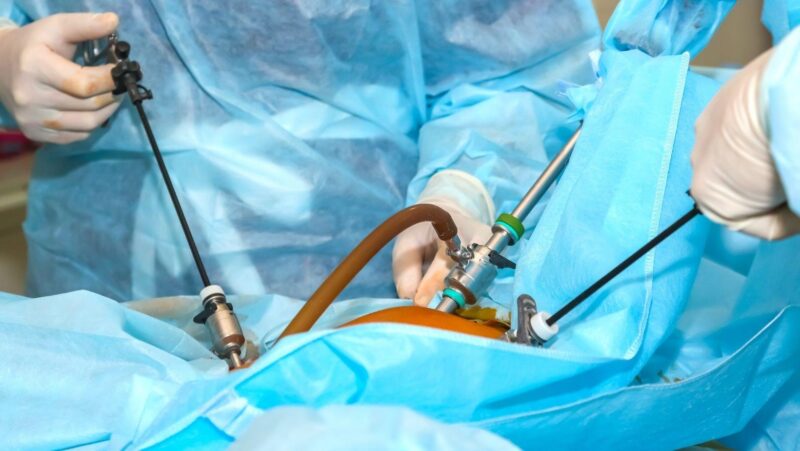
Perioperative respiratory therapy is among the highest-value applications of these techniques. Before surgery, especially pleurectomy/decortication or EPD, pre-operative breathing exercises strengthen the diaphragm and intercostal muscles, improving the patient’s baseline lung function. Studies show pre-operative pulmonary rehabilitation can reduce post-surgical pulmonary complications by up to 50%.
After surgery, incentive spirometry, controlled coughing, and early ambulation are introduced within 24 to 48 hours to prevent atelectasis, clear secretions from surgical areas, and restore functional lung volume. Full post-surgical respiratory rehabilitation typically extends six to 12 weeks.
How does caregiver involvement affect breathing outcomes?
Caregiver involvement meaningfully improves outcomes. Patients whose caregivers participate in education sessions with the respiratory therapist are significantly more likely to maintain consistent practice at home.
Caregivers can monitor for warning signs, prompt patients to use pursed-lip breathing at the first sign of exertion-induced breathlessness, assist with postural drainage positioning, and log symptom changes for clinical appointments.
What monitoring tools do patients need at home?
Three tools are recommended for most patients:
- A fingertip pulse oximeter to track blood oxygen saturation in real time. A reading consistency below 92% at rest should prompt contact with the care team.
- A symptom journal or digital tracking app to log daily breathlessness scores, activity triggers, and any changes in cough or sputum.
- A peak flow meter for patients with concurrent obstructive airway disease to monitor airflow limitation trends.
Readings and journal entries should be brought to every clinical appointment so the care team can adjust the therapy plan based on objective data rather than memory.
Which technique should I start with?
Most patients should begin with pursed-lip breathing, as it requires no equipment, can be learned in minutes, and provides immediate relief during breathlessness episodes. Once that feels comfortable, diaphragmatic breathing can be added to build diaphragm strength over time. Your respiratory therapist will confirm the best starting point based on your current lung capacity and symptoms.
Which device is best for my condition?
The right device depends on your primary breathing challenge.
- An incentive spirometer is typically recommended after surgery or when lung expansion is the goal.
- A nebulizer is used when medication delivery to the airways is needed, such as for mucus clearance or bronchospasm.
Your pulmonologist or respiratory therapist will prescribe the appropriate device based on your diagnosis stage, current symptoms, and treatment plan.
What should I do if symptoms worsen suddenly?
Stop all activity immediately and use pursed-lip breathing to slow your breathing rate and stabilize airflow. If your pulse oximeter reads below 90% or symptoms do not improve within a few minutes, contact your care team or seek emergency care. Sudden worsening may indicate a new pleural effusion, pneumothorax, or another acute complication requiring medical intervention.
How much do respiratory therapy sessions and devices cost, and does insurance cover them?
Respiratory therapy or pulmonary rehabilitation sessions are generally covered by Medicare, Medicaid, and most private insurance plans when prescribed by a physician as part of a documented treatment plan for a respiratory condition.
Devices such as nebulizers and incentive spirometers are typically covered under durable medical equipment (DME) benefits, though co-pays and prior authorization requirements vary by plan.
Patients facing financial barriers can ask their care team about hospital assistance programs or contact organizations like Mesothelioma Hope for guidance on accessing financial support options.
What should I do if I am not making progress or my technique seems incorrect?
Lack of progress after two to three weeks of consistent practice is a signal to schedule a reassessment with your respiratory therapist. Common technique errors, such as chest-lifting instead of abdominal expansion during diaphragmatic breathing, or exhaling too quickly during pursed-lip breathing, are easy to correct with professional guidance but difficult to identify without observation. Video telehealth sessions with your therapist can also be a practical option if in-person visits are not possible.
What should patients prioritize at different stages of the disease?
Priorities shift as the disease progresses.
- In early-stage disease, the focus is on building diaphragm strength, establishing daily breathing routines, and learning airway clearance techniques before functional decline sets in.
- In mid-stage disease, energy conservation strategies and consistent home monitoring become equally important alongside breathing exercises.
- In advanced or late-stage disease, the priority shifts toward comfort-focused breathing support, primarily pursed-lip breathing for relief and caregiver-assisted techniques. There is less emphasis on functional improvement and more on reducing breathlessness and anxiety.
Endnote
Respiratory therapy practices will not stop this rare cancer from growing, but they can significantly improve how patients breathe and function daily. That is especially true when applied wisely and regularly as part of the broader care plan. Dealing with the condition can also be a major concern. Victims can use available medical, legal, and financial assistance to reduce the burden.