The transmartproject yoga archives store scanned books, class notes, recordings, and images. The archive aims to preserve yoga history and share materials for study. Researchers, teachers, and practitioners use the archive to locate rare texts and record practice lineage. This guide explains what the archive holds, how users search it, how they apply items in study and class, and how they can contribute materials.
Key Takeaways
- The transmartproject yoga archives preserve and provide access to rare yoga manuscripts, books, audiovisual materials, and photographs crucial for research and practice.
- Users can effectively search and filter archive materials using keywords, author names, dates, languages, and media types to locate relevant content.
- The archive supports study, teaching, and personal practice by offering authentic historical sources and audiovisual content to trace yoga lineages and techniques.
- High-quality digitization and adherence to metadata standards ensure long-term preservation and reliable discovery of archive materials.
- Contributors can submit physical or digital yoga materials with clear provenance and licensing information, helping expand and enrich the archive.
- A user-friendly submission and tracking system allows contributors to monitor their materials’ status and manage metadata for successful integration into the archive.
What The TransMartProject Yoga Archives Contain And Why They Matter
The transmartproject yoga archives hold digitized manuscripts, printed books, periodicals, photographs, and audio files. The archive collects material from private collections, publishers, and yoga schools. The archive catalogs items by author, date, language, and subject. The archive matters because it preserves sources that might otherwise degrade or disappear. The archive gives researchers direct access to primary texts for citation and comparison. The archive helps teachers trace methods and lineage. The archive helps practitioners study variation in poses, breathing methods, and philosophy across time. The archive supports scholarship and curriculum development.
How To Search, Filter, And Access Archive Materials
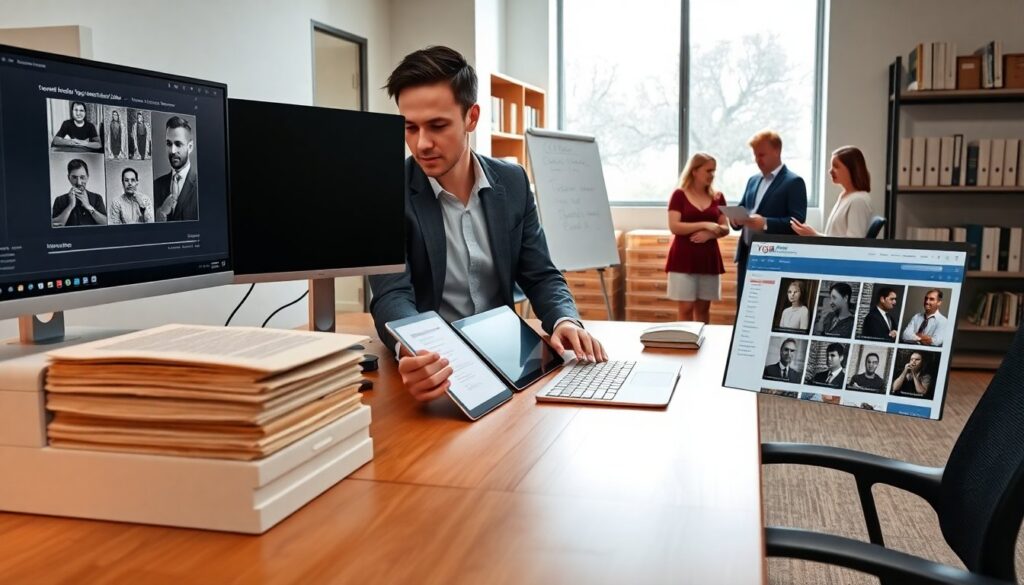
Users can search the transmartproject yoga archives with simple keywords or advanced filters. The search box accepts author names, titles, and subjects. The filter panel limits results by date, language, and media type. The archive displays item previews and full metadata on each record. Users can request high-resolution downloads where rights allow. The archive supports bulk export of metadata in common formats. Users can save searches and set alerts for new additions. The platform offers a clear usage policy so users know access limits and citation rules. The archive team replies to access requests within stated business days.
Using Archive Content For Study, Teaching, And Personal Practice
Scholars use the transmartproject yoga archives to compare editions and trace translation choices. Teachers use archive images and sequences to design historically grounded classes. Practitioners use audiovisual files to study older instruction styles and pronunciation. Instructors cite items from the archive to strengthen lesson plans and reading lists. Students link archive sources in papers and theses. Users always check rights and licensing before reuse. The archive notes public domain items and items that require permission. Users request permission for quotes, images, and audio when the archive records indicate restricted use.
Preservation, Metadata Standards, And Quality Of The Collections
The transmartproject yoga archives apply established preservation formats for long-term storage. The archive uses lossless audio and high-resolution imaging for important materials. The archive records technical metadata such as file format, resolution, and checksum. The archive also records descriptive metadata like subject headings, abstracts, and provenance. The archive follows international library standards for cataloging to improve discovery. The archive runs periodic integrity checks and refreshes storage media as needed. The archive documents restorations and condition notes for fragile items. The archive lists quality ratings and gives users guidance on citation and reproduction quality.
Contributing To The Archives: What To Submit And How Licensing Works
Contributors can send physical items, scans, or born-digital files to the transmartproject yoga archives. The archive accepts manuscripts, flyers, class notes, photographs, and recorded lectures. The archive asks contributors to provide provenance information and any known rights statements. The archive recommends clear scans and labeled files for easier ingestion. The archive offers options for donors to set access levels and license types. The archive prefers open licenses but accepts restricted licenses with clear terms. The archive outlines a review process and an accession agreement that contributors sign.
How To Submit Materials, Prepare Metadata, And Track Contributions
To submit, contributors complete the archive intake form and upload samples. The archive intake form asks for title, creator, date, and source. Contributors attach rights statements or permissions when available. The archive provides a metadata template that uses simple fields and controlled vocabularies. Contributors fill subject, language, physical dimensions, and condition fields. The archive staff reviews submissions and gives a tracking number. Contributors can log into a dashboard to check status, download ingest reports, and update contact details. The archive notifies contributors when items go live and when usage requests arrive.