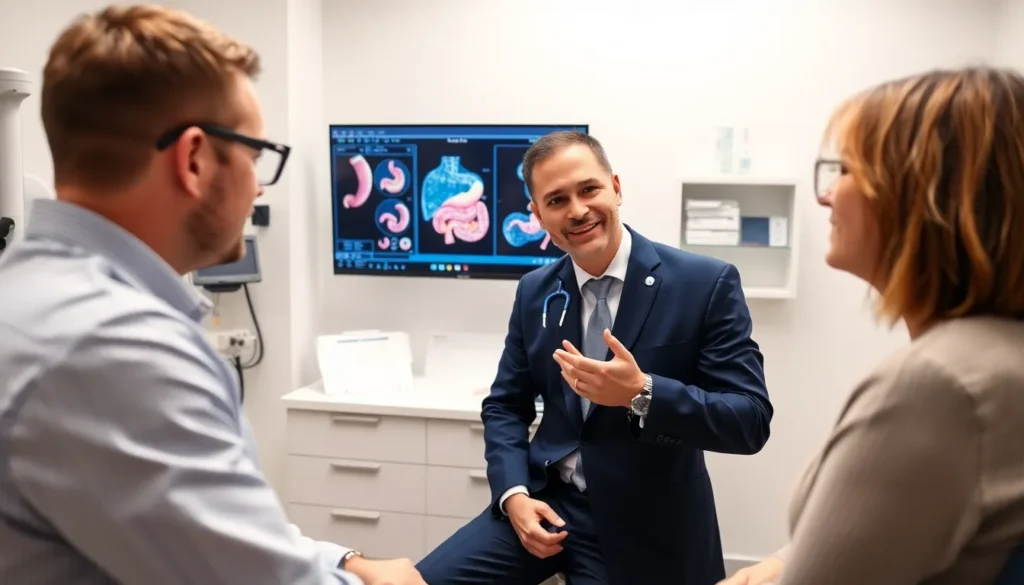
Picture this: a disease most people have never heard of, causing quite a wave in the medical world. Gasteromaradical disease remains a mystery to many, and even though its rare nature, it deserves some serious attention. Today, we’re diving deep into whether this condition can be cured, exploring symptoms, treatments, and the latest groundbreaking research. Buckle up. It’s time to get informed and maybe even share a few laughs along the way.
Can Gasteromaradical Disease Be Cured

Gasteromaradical disease is a rather uncommon condition that affects the gastrointestinal system. It often disrupts normal digestive functions and can lead to a variety of complications. Researchers still debate what exactly leads to this ailment, but factors such as genetics and environmental influences have been implicated. Understanding its underlying mechanisms is step one in finding effective treatments and potential cures.
To break it down further, this disease often presents unique challenges due to its lack of widespread recognition. Because of that, many people suffering from it may not even realize what’s causing their discomfort until they receive a formal diagnosis.
So, what’s in a name? Gasteromaradical may sound like a character from a sci-fi movie, yet its implications are far more serious. The symptoms can vary widely, making diagnosis tricky business.
Symptoms and Diagnosis of Gasteromaradical Disease
Identifying gasteromaradical disease can feel like deciphering a complex riddle. Those affected often experience symptoms such as abdominal pain, nausea, and alternating bouts of constipation and diarrhea. Imagine trying to enjoy a meal when your gut starts throwing a tantrum.
Diagnosis usually involves a combination of detailed medical histories, physical examinations, and sometimes even advanced imaging tests or endoscopy. A healthcare professional will examine symptoms carefully to rule out other similar conditions. Given the complexity of the digestive system, it’s essential for the diagnosis to be thorough and precise.
Current Treatment Options
When it comes to treating gasteromaradical disease, current options aim at managing symptoms rather than providing a definitive cure. That’s right, managing symptoms. Treatment might include dietary changes, medications to ease discomfort, and other interventions tailored to individual needs. Some patients have found relief through lifestyle modifications like regular exercise and stress management techniques.
In more severe cases, healthcare providers might prescribe specific medications targeting inflammation or discomfort: these can significantly improve life quality. It’s like giving a weary traveler a comfy seat on a long journey, much appreciated.
Research and Innovations in Cure Development
Now, let’s turn our eyes to the future, specifically to the innovative research surrounding gasteromaradical disease. Scientists and medical professionals are exploring a variety of avenues, from gene therapy to novel drug developments. Recent studies suggest that certain biological markers may signal promise for potential cures.
Also, collaboration across global research networks is helping to pool knowledge and resources. This collective effort aims to accelerate the pace of discovery, because why work alone when you can form a powerhouse team? With emerging technologies constantly evolving, hope is on the horizon, and those affected can feel the buzz in the air.
Living with Gasteromaradical Disease
Living with gasteromaradical disease can be challenging, especially when symptoms fluctuate between manageable and overwhelming. So, maintaining an open line of communication with healthcare providers is crucial. Support groups and counseling can also help those navigating their journeys. Remember, no one has to face this alone.
Lifestyle adjustments can make a difference. Embracing a healthy diet tailored to individual triggers, engaging in regular physical activity, and practicing mindfulness techniques can provide better control over symptoms. It’s like finding the right key to unlock the door to comfort.
Future Outlook and Hope for a Cure
As we look to the future of gasteromaradical disease, optimism seems to be the name of the game. With continued advancements in medical research and technology, the dream of an effective cure feels more attainable than ever before. Each study brings us one step closer to understanding the disease better, leading to improved therapies and perhaps a groundbreaking cure.
In a world where medical advancements abound, staying informed and engaged will empower patients and advocates alike. Keeping the conversation alive is key.