Preparing for a gaming session is much more than simply sitting down and launching a game — it is a full process that can greatly influence your comfort, focus, and emotional state. Many players underestimate how much a gaming ritual contributes to performance and overall enjoyment, but even small changes can create a more immersive and healthy experience. Whether you are a casual player who wants to relax after a long day, or a competitive gamer trying to maintain peak performance, building proper preparation habits helps you avoid fatigue, reduce stress, and fully enjoy your time. The combination of physical comfort, mental readiness, optimized hardware, and balanced routines forms the foundation of a truly comfortable gaming session, turning every play session into a meaningful and enjoyable ritual.
Creating the right gaming environment
A comfortable gaming environment is the core of any effective gaming ritual, and setting up the right atmosphere can drastically improve your concentration and overall experience. Start by organizing your space so that everything you need is within reach — your headset, water bottle, controller, and keyboard should all be positioned conveniently. A cluttered desk can create subtle psychological stress, so keeping the area clean helps maintain a sense of order and calm.
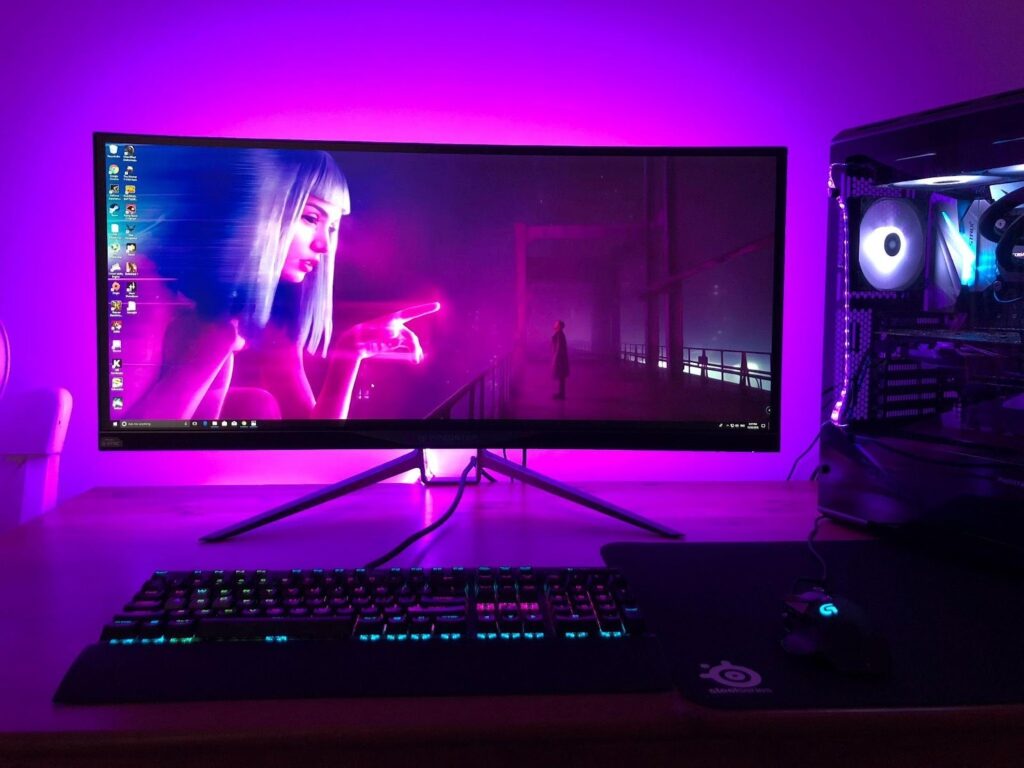
Lighting is another key factor. Harsh white light creates eye strain, while dim, warm lighting helps maintain a relaxed mood ideal for longer sessions. Many players also benefit from ambient LED backlighting behind the monitor, which reduces contrast and makes viewing more comfortable. Ventilation is equally important: a cool, well‑aired room keeps your body energized, preventing sluggishness during intense gameplay.
In the middle of creating the right mood, some players like to check competitive updates, and this often includes tracking lol live scores as part of their ritual, especially if they enjoy following esports statistics or analyzing performance trends in League of Legends. Having this small informational moment in the background builds anticipation and helps create a sense of connection with the gaming world, making the environment feel more dynamic and engaging.
Finally, no gaming ritual is complete without proper ergonomics. Your chair should support your lower back, your feet should rest comfortably on the floor, and your monitor should be positioned at eye level to avoid neck strain. Investing time into optimizing your posture can dramatically reduce long‑term discomfort, keep you more alert, and improve your focus during extended gaming sessions.
Preparing your hardware and settings

Once your space is set, your next priority is hardware readiness — a key component of smooth, stress‑free gaming. Many players overlook how important it is to calibrate their devices before playing, but proper hardware preparation can significantly improve performance. Start by checking your controller or mouse sensitivity: even minor adjustments can enhance accuracy and response time. Players who enjoy competitive genres like shooters or MOBAs often update their sensitivity profiles depending on the game mode to stay consistent.
Audio settings are just as critical. Immersive sound increases your ability to react quickly to footsteps, skill cues, and environmental signals. Headset equalizer settings can be fine‑tuned based on the genre you play — deep bass may enhance atmospheric RPGs, while clear treble is essential for tactical shooters.
System optimization should be part of every gaming ritual. Close unnecessary apps, clear temporary files, update GPU drivers, and ensure your internet connection is stable. A sudden frame drop or lag spike can completely break immersion or cause frustration, so prevention is crucial. Even adjusting monitor settings, such as enabling low latency mode or switching refresh rate profiles, can elevate your experience dramatically.
Warming up mentally and physically
A proper gaming ritual should always include preparing your body and mind, especially if you plan to play competitively or for extended periods. Physical warm‑ups help prevent muscle strain, improve circulation, and maintain comfort. Simple wrist stretches, shoulder rotations, and neck mobility exercises can significantly reduce tension and prevent injuries such as wrist pain or stiff back — common issues among dedicated gamers.
Mental preparation is equally essential. Before launching into a game, take a moment to breathe deeply and focus your thoughts. Setting simple goals for your session — whether it’s improving mechanics, climbing the ranked ladder, or simply relaxing — helps keep your mind grounded and reduces frustration. Professional players often use visualization techniques, imagining game scenarios or strategies to mentally “enter the zone.”
A short warm‑up routine inside the game itself can further improve readiness. Aim trainers, practice tool drills, or even playing a casual match before entering ranked can help activate reaction time and decision‑making. These warm‑ups not only sharpen your skills but also shift your brain into a more focused and attentive state.
Setting boundaries and maintaining balance
Healthy gaming rituals also involve setting boundaries to ensure balance between gaming and well‑being. Even the most enjoyable session can become tiring if you forget to take breaks. A general rule is to pause for 5–10 minutes every hour to stretch, hydrate, and rest your eyes. These small breaks significantly reduce fatigue and help maintain peak performance.
Creating personal rules can also improve your gaming experience. For example, you may decide to stop playing when you feel yourself becoming tilted, to avoid lowering your performance and mood. Some players choose to limit the number of ranked matches they play in a row to avoid burnout. Others maintain healthy habits such as drinking water regularly or keeping light snacks nearby for energy.
Balance is crucial not only for comfort but also for long‑term enjoyment. Gaming should be a positive, restorative experience — not something that drains your energy. By respecting your limits and maintaining control over your schedule, you ensure that every gaming session feels rewarding rather than exhausting.
Conclusion
Developing a consistent and effective gaming ritual is one of the best ways to make your gaming sessions more comfortable, immersive, and enjoyable. By building the right environment, optimizing your hardware, preparing your body and mind, and maintaining a healthy balance, you create ideal conditions for both casual play and competitive performance. Rituals may seem simple, but they have a powerful impact on focus, mood, and long‑term well‑being. Ultimately, the more intentional you are about your preparation, the more rewarding every gaming session becomes.