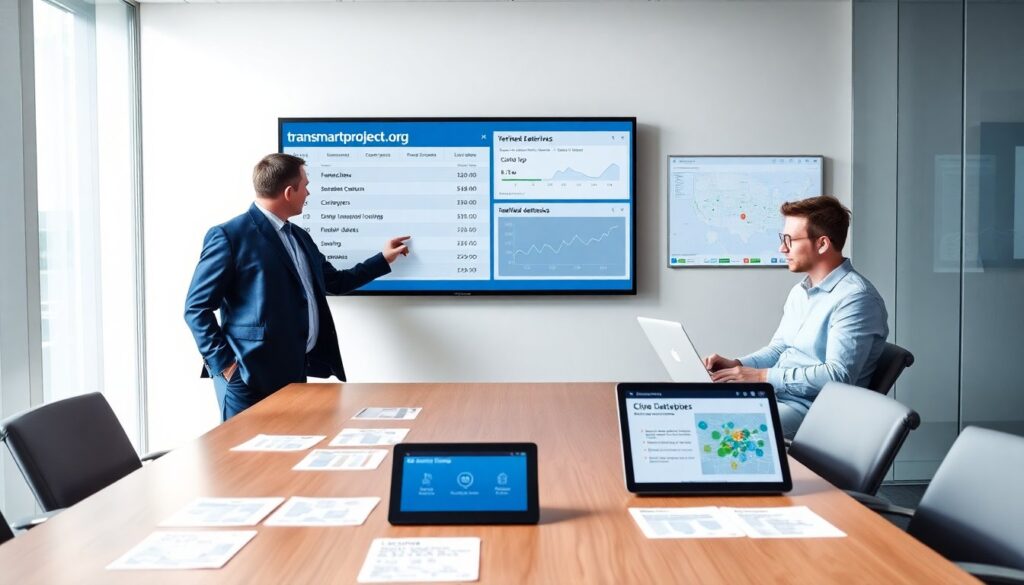
The latest transmartproject.org archives arrive with refreshed datasets, tools, and documentation. The team released them in early 2026. This article describes what changed, what matters, and how users can access the new content.
Key Takeaways
- The latest transmartproject.org archives deliver updated datasets, enhanced metadata standards, and improved APIs for better user experience.
- Users can efficiently search and filter archives by keyword, city, project type, and license, with support for boolean queries and programmatic API access.
- Each dataset package includes metadata, license details, quality scores, sample queries, and visualization templates to aid analysis and reuse.
- Direct downloads are available with clear licensing terms, including common licenses and attribution guidelines, plus options for large data transfers via S3 and rsync.
- Contributors can submit packages through a validated ingest form, while users can track updates via mailing lists, RSS feeds, and a project issue tracker for reporting problems.
Overview Of The Latest Archive Release
The latest transmartproject.org archives include versioned datasets, new metadata standards, and updated APIs. The project team published a manifest file that lists each package and its checksum. Users can read the release notes to learn about format changes, deprecated fields, and migration steps. The archive now groups content by city, mode, and date. It also marks datasets that support real-time feeds. The release improves searchability and adds standardized schema files. The archive page shows package size, license type, and contributor names. Researchers and operators can use the manifest to plan downloads and integrations.
Notable New Projects And Datasets
The new release highlights cross-city datasets and developer toolkits. The archive lists several high-value packages that target planning, operations, and evaluation. Each package includes README files, sample queries, and test data. The project owners attached machine-readable licenses and reuse notes. The archive now flags datasets with quality scores and lineage records. Users can sort by score, size, or recent updates. The listing also shows linked publications and citations. The archive team added sample notebooks and visualization templates to speed prototyping and analysis.
How To Search, Filter, And Navigate The Archives
Users can search the latest transmartproject.org archives by keyword, city, or project type. The archive interface supports boolean queries and exact-match filters. Users can apply faceted filters for license, format, and quality score. The interface shows preview snippets and sample records. Users can open a package page to view file lists, checksums, and schema files. The site supports programmatic access via an API token. The API returns JSON manifests and supports pagination. The documentation shows example calls to fetch package metadata and file URLs for automated workflows.
Downloading, Licensing, And Reusing Archive Content
The archive provides direct downloads and archive bundles. Users can download single files or full packages as compressed archives. Each package displays its license and reuse terms on the package page. The archive uses common licenses such as CC BY, ODbL, and permissive software licenses. The package page lists attribution requirements and redistribution rules. Users should read license notes before reuse. The site also includes example attribution text for publications and apps. For large downloads, the archive offers an S3 mirror and rsync endpoints to reduce transfer time.
Contributing, Reporting Issues, And Subscribing For Updates
Contributors can submit packages via the project’s ingest form. The form asks for metadata, license selection, and contact details. The site validates required fields and runs basic quality checks. The team prefers pull requests for code and sample notebooks. Users can report issues on the project issue tracker with reproducible examples. The archive offers a mailing list and an RSS feed for release notifications. Users can subscribe to topic-specific feeds for cities or data types. The project team posts changelogs and migration notes with each release.