
Medical science has always evolved through the continuous exchange between research and clinical practice. In recent decades, this process has been increasingly defined by the concept of translational medicine. Often described as “bench-to-bedside” science, translational medicine focuses on transforming laboratory discoveries into practical treatments that improve patient care. Nowhere is this process more visible than in the field of vascular medicine, where advances in research are rapidly shaping the way vein disorders are diagnosed and treated.
Vascular conditions such as varicose veins and chronic venous insufficiency affect millions of people worldwide. While these conditions were once addressed primarily through invasive surgery, modern medicine now offers a range of minimally invasive procedures that are more efficient, safer, and far more comfortable for patients. These innovations did not appear overnight. They are the result of years of translational research that connected laboratory findings, clinical trials, and technological development.
Understanding how translational medicine contributes to improved vein treatments offers valuable insight into the future of vascular care and the broader healthcare landscape.
Understanding Translational Medicine
Translational medicine refers to the process of converting scientific discoveries into real-world medical applications. Researchers often begin by studying biological mechanisms in controlled environments, such as laboratories or experimental models. These studies generate valuable insights into how diseases develop and how the body responds to various treatments.
The challenge lies in transforming those insights into practical therapies that can be safely used in clinical settings. Translational medicine bridges this gap by encouraging collaboration between scientists, clinicians, engineers, and healthcare providers. Through this collaborative approach, promising discoveries move from early research stages into clinical trials and eventually into routine medical practice.
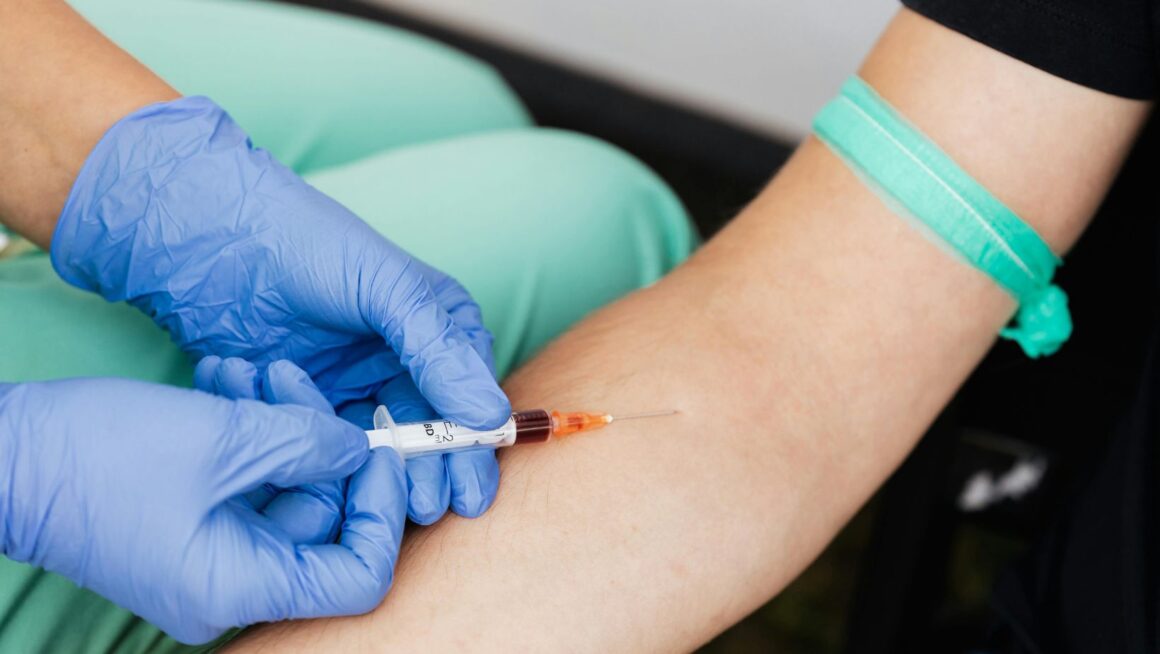
In vascular medicine, this process has been instrumental in improving the diagnosis and treatment of vein-related disorders.
The Growing Burden of Venous Disease
Venous disease is one of the most common vascular conditions worldwide. Varicose veins, spider veins, and chronic venous insufficiency affect a large portion of the adult population, particularly individuals who spend long hours standing or sitting.
These conditions occur when valves inside the veins weaken or fail, allowing blood to flow backward and pool in the lower limbs. Over time, this increased pressure can cause veins to enlarge, twist, and become visible beneath the skin. Symptoms may include heaviness, swelling, aching, and skin changes that worsen if the condition progresses.
Historically, treatment options were limited. Surgical vein stripping, which involved physically removing affected veins, was once the primary solution for severe cases. While effective, the procedure required significant recovery time and often caused discomfort for patients.
Translational research has dramatically transformed this landscape by introducing less invasive and more targeted treatment methods.
Research Discoveries That Changed Vein Treatment
One of the most important breakthroughs in vascular medicine came from research into how heat and chemical agents affect vein walls. Scientists discovered that controlled thermal energy could close damaged veins without requiring surgical removal. This insight laid the foundation for modern procedures such as endovenous laser therapy and radiofrequency ablation.
These treatments involve inserting a thin catheter into the affected vein and delivering heat to seal it shut. Once closed, the vein is gradually absorbed by the body, and blood is redirected through healthier vessels. Patients typically experience minimal discomfort and can return to daily activities much sooner than with traditional surgery.
The development of these techniques demonstrates how laboratory research can lead directly to practical medical solutions.
Imaging Technology and Precision Diagnosis
Another area where translational medicine has made a significant impact is diagnostic imaging. Advanced ultrasound technology now allows physicians to examine blood flow within veins in real time. This imaging capability enables accurate mapping of the venous system and identification of malfunctioning valves.
Researchers and engineers have worked together to refine these imaging tools, improving their resolution and reliability. As a result, physicians can diagnose vein disorders more precisely and design treatment plans tailored to each patient’s unique anatomy.
This level of precision represents a major advancement compared with earlier approaches that relied heavily on visual examination and patient-reported symptoms.
The Rise of Minimally Invasive Procedures
Minimally invasive procedures have become the standard of care for many venous conditions, largely thanks to translational research efforts. Techniques such as ultrasound-guided sclerotherapy and mechanochemical ablation offer alternatives to thermal treatments while still addressing the underlying cause of venous reflux.
In sclerotherapy, a specialized solution is injected into the vein, causing it to collapse and eventually fade. Mechanochemical ablation combines mechanical disruption of the vein lining with a chemical agent that closes the vessel. Both approaches reduce the need for incisions and shorten recovery times.
These innovations highlight how scientific discoveries can translate into treatments that are both effective and patient-friendly.
Collaboration Between Researchers and Clinicians
The success of translational medicine relies heavily on collaboration. Researchers studying vascular biology must work closely with clinicians who treat patients on a daily basis. This partnership ensures that scientific discoveries address real-world medical needs.
Clinical trials play a critical role in this process. New treatments are carefully tested in controlled studies to evaluate their safety and effectiveness. Data collected during these trials guide regulatory approval and help refine treatment protocols.
This cycle of research, testing, and clinical application ensures that medical advancements continue to evolve based on both scientific evidence and patient outcomes.
The Role of Specialized Vein Centers
As research-driven treatments become more widely available, specialized clinics play an essential role in delivering advanced care to patients. These centers often adopt new technologies and procedures as they emerge from clinical research.
Facilities such as Taylor Vein Solutions incorporate modern diagnostic tools and minimally invasive treatments to address venous disorders effectively. By applying insights gained through translational medicine, these clinics provide patients with options that were not available just a generation ago.
Access to specialized care ensures that individuals benefit directly from the latest scientific developments in vascular medicine.
Future Directions in Vascular Research
The future of vein treatment continues to be shaped by translational research. Scientists are exploring new materials and technologies that may further improve treatment outcomes. For example, bioengineered adhesives and advanced catheter systems are being developed to close veins more efficiently and with less discomfort.
Artificial intelligence is also beginning to influence vascular medicine. Machine learning algorithms can analyze imaging data to identify patterns that may help predict disease progression or optimize treatment strategies. These technologies have the potential to enhance diagnostic accuracy and personalize patient care.
Researchers are also investigating the genetic and molecular factors that contribute to venous disease. A deeper understanding of these mechanisms could lead to preventive therapies that address the condition before symptoms develop.
Patient Benefits of Translational Innovation
The ultimate goal of translational medicine is to improve patient outcomes. In the context of vein treatments, this goal has already been achieved in several ways. Modern procedures are less invasive, recovery times are shorter, and treatment success rates have improved significantly.
Patients now have access to options that allow them to address vein health concerns without undergoing major surgery. This shift has also increased awareness about the importance of vascular health, encouraging individuals to seek evaluation earlier in the disease process.
As research continues to advance, patients can expect even more personalized and effective care in the years ahead.
Bridging Science and Everyday Healthcare
Translational medicine demonstrates the power of connecting scientific discovery with practical healthcare solutions. By fostering collaboration between researchers, clinicians, and technology developers, this approach accelerates the journey from laboratory findings to real-world treatments.
In vascular medicine, this process has transformed the management of vein disorders. What was once treated primarily through invasive surgery can now be addressed with precise, minimally invasive procedures guided by advanced imaging technology.
Conclusion
The evolution of vein treatments provides a compelling example of translational medicine in action. Through years of research, experimentation, and clinical collaboration, scientists and healthcare professionals have developed innovative methods for diagnosing and treating venous disease.
These advancements have improved patient comfort, shortened recovery times, and expanded treatment options. As translational research continues to uncover new insights into vascular biology and medical technology, the future of vein care looks increasingly promising.
By turning scientific discoveries into practical solutions, translational medicine ensures that progress in the laboratory ultimately leads to better health outcomes for patients around the world.