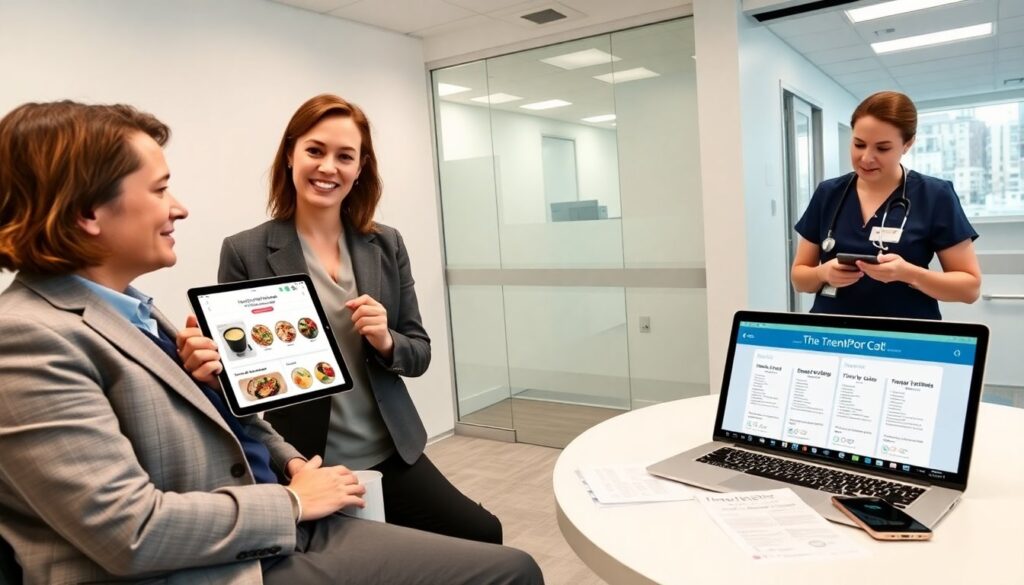
This article reviews nutritional cooking healthcare communication review trnsmtpro and its role in clinical nutrition. It explains features, limits, and practical steps for use. It offers clear examples for clinicians and educators. It sets expectations for security, integration, and patient teaching.
Key Takeaways
- Effective nutritional cooking healthcare communication bridges the gap between clinical advice and patients’ home cooking practices.
- TrnsmtPro enables clinicians to send standardized, easy-to-follow nutrition plans with recipes, portion images, and reminders directly to patients.
- While TrnsmtPro improves message consistency and tracks patient engagement, it requires clinician training and workflow adjustments for optimal use.
- Secure integration with electronic health records via HL7 FHIR enhances efficiency but demands careful data management and patient consent.
- Successful implementation involves piloting with clear goals, creating reusable templates, delivering concise action-oriented messages, and supporting patient education with real-time demos and fallback printouts.
Why Nutrition-Focused Cooking Needs Better Healthcare Communication
Clinicians see diet as a core driver of health. Patients try cooking changes at home. Clinicians need tools that move advice from clinic to kitchen. This nutritional cooking healthcare communication review trnsmtpro examines gaps in current practice. Studies show patients forget most verbal advice within a week. Written handouts help, but patients still lack context for cooking. Digital tools can deliver recipes, portion visuals, and timing cues. These tools can align clinical goals with daily meals. Clinicians can use structured messages to set simple actions. Patients can follow step-by-step cooking prompts and log results. Effective tools reduce confusion and improve adherence. This review tests whether TrnsmtPro fills the gap between clinical plan and kitchen action.
TrnsmtPro Review: Core Features, Strengths, And Limitations
TrnsmtPro sends clinical nutrition plans directly to patients and caregivers. The platform supports recipe delivery, portion images, and timed reminders. Clinicians can attach goals and allergies to each plan. The user interface shows meals and stepwise cooking notes. This nutritional cooking healthcare communication review trnsmtpro finds clear strengths. It standardizes messages and reduces clinician time spent repeating instructions. It tracks patient engagement and captures simple meal logs. These logs let clinicians see which recipes patients try. TrnsmtPro also offers templates for common diets. The service enables quick customization for cultural food preferences.
TrnsmtPro shows limits as well. It does not fully automate nutrient analysis for mixed meals. It relies on clinician input for recipe specifics. It offers limited offline support for patients with poor internet. It also requires clinician training to use templates well. The platform fees may challenge small clinics. This nutritional cooking healthcare communication review trnsmtpro notes that success depends on workflow changes and staff buy-in.
Security, Integration, And Data Flow: What Clinicians Should Know
TrnsmtPro encrypts messages in transit and at rest. The vendor provides SOC 2 reports on request. Clinics must confirm local policies before sharing protected health data. The platform supports HL7 FHIR links for basic patient demographics and care plans. Clinics can push diet orders from electronic health records into TrnsmtPro. The system sends simple status codes back to the record. This nutritional cooking healthcare communication review trnsmtpro found that integrations reduce duplicate entry and cut errors.
Clinics should map what data move between systems. IT teams should test FHIR endpoints and permission scopes. Clinicians should limit message content to necessary dietary details. Patients should consent to receive digital meal plans. Clinics should set retention rules for meal logs and messages. Where connectivity is weak, clinics should prepare printable summaries. This review shows that secure integration offers clear workflow gains but needs careful setup.
How To Implement TrnsmtPro In Clinical Practice: Workflow Tips And Patient Education Strategies
Clinic leaders should pilot TrnsmtPro with a small team. They should choose a clear clinical question, such as improving protein intake after surgery. Staff should map current steps and then assign new tasks for TrnsmtPro use. Nurses or dietitians should draft template recipes and portion photos. Clinicians should schedule short training sessions and role-play sending plans. The team should track key measures such as message open rates and reported meal tries.
Clinicians should write short, action-focused messages. They should use verbs and concrete steps. For example: “Cook 1 cup brown rice. Mix with 3 oz grilled chicken and 1 cup steamed greens.” They should include timing cues like “serve within 2 hours.” They should attach photos of finished plates. This nutritional cooking healthcare communication review trnsmtpro shows that clear messages raise patient confidence.
Patient education should include a quick demo. Staff should show how to open a recipe, adjust serving size, and send a photo back. Patients should record simple outcomes, such as how the meal felt and whether they followed portions. Clinics should offer fallback printouts for patients who prefer paper. The team should review patient logs at follow-up visits and adjust plans. This approach makes nutrition counseling measurable and repeatable.
This nutritional cooking healthcare communication review trnsmtpro finds that implementation succeeds when teams set narrow goals, create reusable templates, and measure simple outcomes. Clinics that follow this path will likely see better patient cooking behavior and clearer communication between clinician and household.